Blog
Tutorials
How to Promote an App With No Budget (2026)
No budget, no audience, no problem. This 2026 playbook shows exactly how to promote an app for free: the tactics, free tools, and a 30-day plan to get users.

Nafis Amiri
Co-Founder of CatDoes

TL;DR: You promote an app with no budget by showing up where your users and fellow builders already are, then giving them a real reason to care. Get your app store listing and landing page right first, run one focused launch on Product Hunt and Hacker News, build in public on a single social platform, and answer genuine questions in the communities your users already use. The trick is doing it in a deliberate order. This guide gives you the exact free tools, the specific communities worth your time, realistic download benchmarks, and a 30-day plan you can start today.
You shipped your app. You hit publish on the App Store, told a few friends, and waited. Then nothing. A handful of downloads on day one, and a flat line ever since.
Here is the uncomfortable part: a great app nobody knows about loses to a mediocre app with a crowd. Every day your app sits undiscovered is momentum you do not get back, and the usual "just run some ads" advice is useless when your marketing budget is exactly zero.
So this is the no-budget playbook for how to promote an app in 2026. Not a generic dump of 30 tactics, but a prioritized sequence built for a solo founder or tiny team with $0 to spend and no audience yet. You will get the free tools, the communities actually worth your time, honest download numbers, and a plan you can run this month.
Table of Contents
How do you promote an app with no budget?
Get the fundamentals right before you promote
The no-budget app promotion playbook
How to get your first 100 downloads
What to skip when your budget is $0
Your 30-day app promotion plan
Frequently asked questions
How do you promote an app with no budget?
You promote an app with no budget by fixing your store listing, launching once in communities of builders like Product Hunt and Hacker News, building in public on one social platform, and consistently helping people in the forums where your target users already spend time. Free promotion is a trade: you spend attention and effort instead of money.
The single biggest mistake is doing a little of everything at once. With limited hours, sequence beats spray-and-pray. Fix the fundamentals first so traffic converts, run one concentrated launch spike to get your first wave, then compound with content and community over the following weeks.
Here is how the main free channels compare, so you know where to spend your limited time first:
Channel | Effort | Time to first users | Best for |
|---|---|---|---|
App store optimization (ASO) | Low, one-time | Weeks | Every app |
Product Hunt / Show HN launch | Medium, one-time | Same day | Dev, B2B, prosumer |
Building in public | Medium, ongoing | Weeks | Founders with a story |
Niche communities (Reddit, Discord) | Medium, ongoing | Days | Consumer, hobby, niche |
Content / SEO | High, ongoing | Months | Long-term compounding |
Referrals | Low, after users | After traction | Apps people share |
Notice that nothing here needs a credit card. It needs your time and a bit of patience. Let's set up the foundation so none of that time is wasted.
Get the fundamentals right before you promote
Every promotion tactic sends people to your app store page or your website. If those do not convert, you are pouring water into a bucket with a hole in it. Fix three things before you drive a single visitor.
Nail your app store listing (ASO)
App store optimization is the only free channel where users find you instead of the other way around, so it is the highest-leverage hour you will spend. Put your main keyword in the app title and subtitle, make your icon readable at thumbnail size, and treat your first two screenshots as a billboard, since most people never scroll past them. Lead the description with the one outcome your app delivers, not a feature list.
This is a deep topic on its own. For the full checklist, read our guide to app store optimization tips, then come back. If you are not live on both stores yet, our walkthrough on how to publish an app on Google Play covers the submission steps.
Build a one-page site with a single ask
You need a home on the open web that you control, because you cannot link an App Store page inside a tweet or a Reddit reply and expect it to convert. Build a simple landing page with a clear headline, one screenshot or short demo video, and exactly one call to action: download the app, or join a waitlist if you have not launched.
Free tools like Carrd handle a basic page, or you can describe what you want to CatDoes and get a real, custom site with an email capture in minutes. Keep it to one screen and one button. Confusion kills conversion.
Set up free analytics so you know what works
If you cannot see which channel sends real users, you will waste weeks on tactics that feel busy but do nothing. App Store Connect and Google Play Console both give you free download and conversion data. Add a free analytics tier like Firebase or PostHog to see what people do after they open the app.
The one habit that pays for itself: put a unique UTM link on every post and profile. When 40 downloads arrive from one Reddit thread, you will know to do more of exactly that.
The no-budget app promotion playbook
With the foundation in place, here are the free tactics that actually move downloads, ordered roughly the way you should run them: one launch spike first, then steady community and content work that compounds.
Launch where builders gather
Builder communities are the fastest way to a first wave of downloads because the people there actively look for new products to try. Prioritize these, in order:
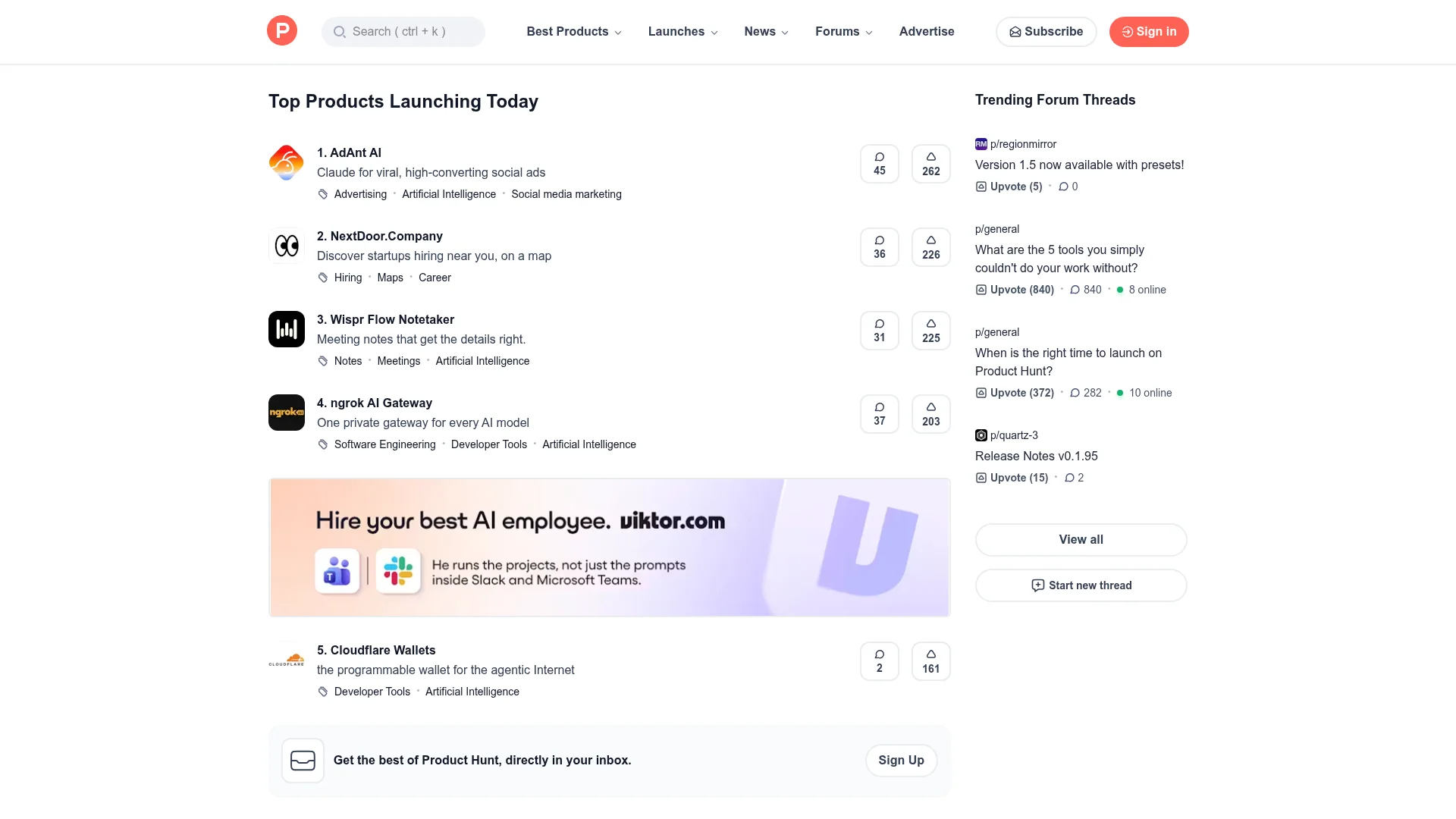
Product Hunt — the biggest new-product audience on the web. Schedule your launch for 12:01 am PT on a Tuesday, Wednesday, or Thursday, write a strong first comment telling the story behind the app, and reply to every single commenter. Do not directly ask for upvotes; it violates the rules and gets you penalized.
Hacker News (Show HN) — title it exactly "Show HN: [App] – [what it does]", post around 8 to 10 am ET on a weekday, and answer every comment fast and honestly. A front-page spot can send thousands of visitors in a day.
Indie Hackers, BetaList, and Reddit's r/SideProject and r/apphookup — smaller but friendly to first launches, and each sends a steady trickle rather than a spike.
You get one real launch per platform, so do not rush it. If you want a full pre-launch checklist and timing plan, our guide on how to launch an app walks through the whole sequence.
Build in public on one platform
Building in public turns your development process into a slow-burning ad that costs nothing and compounds. Pick one platform and go deep instead of spreading thin: X (Twitter) and LinkedIn work best for developer and B2B apps, while TikTok and Instagram Reels win for consumer apps.
Share the messy middle, not just wins: a bug that broke everything, a screenshot of your download graph, a feature you cut and why. Real numbers and honest struggle get shared; polished marketing gets ignored. Post a few times a week, reply to everyone, and put your app link in your bio.
Show up where your users already hang out
Somewhere online, your exact target users are already gathered and complaining about the problem your app solves. Your job is to be genuinely helpful there, not to drop links. Find the right rooms first:

Reddit — search for subreddits tied to your app's niche, not to "apps." A meal-planning app belongs in r/MealPrepSunday, not r/androidapps. Follow the 9:1 rule: nine genuinely helpful comments for every one that mentions your app.
Discord and Slack communities — join servers for your niche, become a known regular, and let people discover your app through your profile and helpful answers.
Facebook Groups and Quora — answer specific questions in full. On Quora, a thorough answer to "what's the best app for X" can rank in Google and send traffic for years.
The fast way to get banned is to join a community, post your link, and leave. Read the rules, contribute for a week before mentioning your app, and always lead with help.
Publish content that compounds
Communities and launches give you spikes; content gives you a slope that keeps climbing. Write about the problem your app solves, not the app itself. If you built a habit tracker, publish "how I finally stuck to a morning routine," and mention the app as the tool you used.
A short-form video showing your app solving a real problem in 20 seconds can do the same job on TikTok or YouTube Shorts. Content is the slowest channel to pay off, usually months, but it is the only one that keeps working while you sleep.
Turn your first users into a referral loop
Your happiest users are your cheapest marketing, and word of mouth is still the most trusted channel there is. Two moves cost nothing and matter most.
First, ask for reviews at the right moment, right after someone completes a satisfying action, using the native in-app review prompt. Ratings drive both store ranking and install conversion. Second, build one shareable moment into the app itself, like a result card or streak users want to show off, so every share becomes a tiny ad.
Land free press with reactive PR
You do not need a PR agency or a budget to get written about; you need to be a helpful source at the right moment. Sign up for free journalist-request platforms like Featured, Qwoted, and SourceBottle, where reporters post what they are writing and look for expert quotes. Answer a few every week.
Also pitch niche newsletters and small blogs in your category directly. A mention in a focused newsletter of 5,000 engaged readers beats a link on a giant site nobody in your niche reads.
How to get your first 100 downloads
The first 100 downloads are the hardest and the most important, because they give you the reviews, feedback, and social proof everything else builds on. Here is a concrete path that needs zero budget.
Start with the 20 to 50 people you can reach directly: friends, past colleagues, and anyone in your network who has the problem. A personal message beats a broadcast post every time. Next, run your launches, since a single Product Hunt launch commonly brings dozens to a few hundred downloads, and a Show HN that hits the front page can bring far more. Finally, seed three or four niche communities with genuinely helpful contributions over a week or two.
Track every source with UTM links so you know which well to go back to. Getting to 100 is less about reach and more about showing up personally in a handful of the right places.
What to skip when your budget is $0
Just as important as what to do is what to ignore, because the wrong tactic burns the one resource you cannot get back: time. Skip these until you have money and, more importantly, proof that users stick around.
Apple Search Ads and Google App Campaigns — powerful, but they need budget and conversion data to optimize. With $0 and no baseline, you will just donate money to the platforms.
Paid influencer sponsorships — expensive and hit-or-miss for an unproven app. Earned mentions from building in public work better at this stage.
PR agencies — thousands per month for outcomes you can get yourself with reactive PR platforms.
Buying installs or reviews — this violates App Store and Google Play policy and can get your app removed. Never do it.
The signal that it is time to consider paid channels is retention, not vanity downloads. Once people keep coming back and you have a way to make money from them, spending becomes rational. Our guide on how to monetize an app covers turning that retention into revenue you can reinvest.
Your 30-day app promotion plan
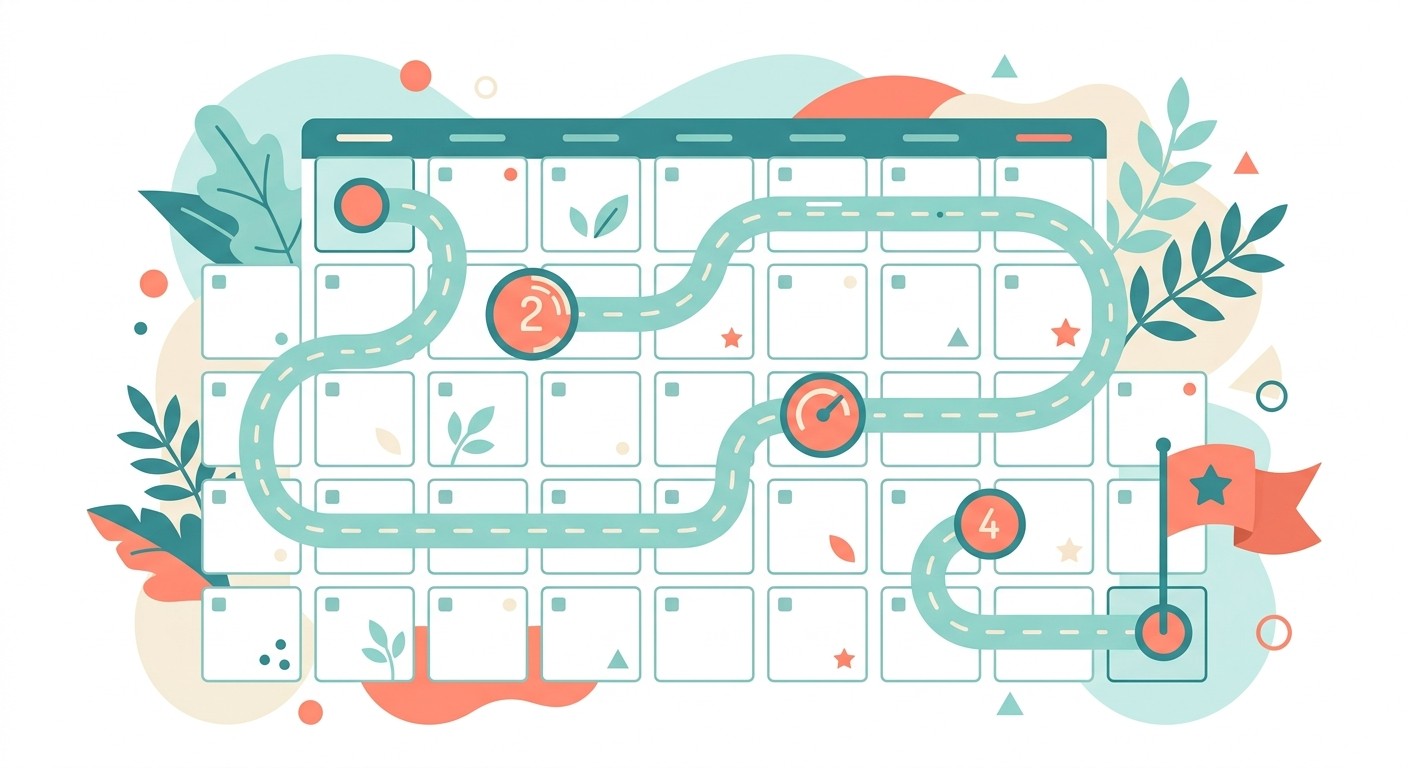
Tactics only work in the right order. Here is a realistic month for a solo founder with limited hours, built to front-load the fundamentals and time your launch for maximum effect.
Week | Focus | What to do |
|---|---|---|
Week 1 | Fundamentals | Optimize your store listing, build a one-page site, set up free analytics and UTM links, prep your launch assets. |
Week 2 | Launch spike | Launch on Product Hunt and Show HN, message your personal network, post in r/SideProject and BetaList. |
Week 3 | Community + content | Join three niche communities and start helping, publish one problem-focused article, begin building in public on one platform. |
Week 4 | Referrals + PR + iterate | Turn on review prompts, answer journalist requests, double down on whatever channel drove the most downloads, cut what did not. |
After 30 days you will not have a viral hit, but you will have real users, real feedback, and hard data on which free channel works for your app. That is the foundation everything else is built on.
Frequently asked questions
How much does it cost to promote an app?
It can cost nothing. Every tactic in this guide, from app store optimization to Product Hunt launches to community engagement, is free and relies on your time rather than money. Paid channels like Apple Search Ads become worthwhile later, once you have proof that users stick around.
How long before an app gets traction?
Expect your first 100 downloads within a few weeks of consistent effort, mostly from your network and launches. Meaningful, self-sustaining traction from content and word of mouth usually takes three to six months. Free promotion compounds slowly, then all at once.
What is the best free way to get app downloads?
There is no single best channel; the best one is wherever your specific users already gather. For most new apps, a Product Hunt or Show HN launch delivers the fastest first wave, while app store optimization and niche communities provide the most durable ongoing installs.
Can you promote an app without social media?
Yes. App store optimization, community forums like Reddit and Quora, content and SEO, reactive PR, and referrals all work without a personal social following. Building in public is powerful but optional, so lean on the channels that fit how you like to work.
Should I promote before or after launching?
Both. Before launch, build a waitlist and start sharing your progress so you have an audience on day one. After launch, run your Product Hunt and Show HN spikes, then shift into the steady community and content work that compounds over months.
Start with an app worth promoting
No amount of promotion saves an app that does not solve a real problem, so the best marketing decision is building something people actually want, then following the sequence above: fundamentals first, one focused launch, then steady community and content. Do that for 30 days and you will have real users and real data instead of a flat download graph.
If you are still building, or want to ship the landing page and updates your promotion depends on, CatDoes can build, deploy, and maintain your app and website from a plain description, so you can spend your limited hours on getting users instead of fighting your tools.
Written by the CatDoes team. We build the AI agent that ships mobile apps and websites from natural language, and we spend a lot of our own time in the same launch communities and forums described above.
Nafis Amiri
Co-Founder of CatDoes


