Blog
Business
12 Best Business Ideas to Start in 2026
The best business to start in 2026 needs no team and no VC. 12 ideas ranked by startup cost, time to first revenue, and revenue model. Launch one this weekend.

Nafis Amiri
Co-Founder of CatDoes
TL;DR: The best business to start in 2026 is one you can launch alone, validate in a week, and grow without raising money. AI app builders like CatDoes have collapsed the cost of shipping software from months to a weekend, so the winning playbook is small, niche, and AI-native: vertical SaaS, subscription apps, productized services, newsletters, and digital products. Below are 12 specific businesses ranked by startup cost, each with a realistic time to first revenue, the revenue model it runs on, and the kind of operator it suits.
Most "best business" lists are useless. They recycle the same generic ideas (dropshipping, Amazon FBA, freelance writing) that stopped working in 2019, padded with affiliate links and zero real numbers. This list is organized around economics instead: what it costs to start, how long until the first dollar, and how the money actually arrives.
The reason the math changed is that one person with an AI app builder can now ship and operate software that used to require a team of five: a mobile app live on the App Store, a SaaS dashboard with auth and a database, a marketing site on a custom domain, all from plain English prompts. The bottleneck is no longer building. It is picking the right wedge and finding the first ten paying customers.
A note on scope: this article is about business models and their economics. If you are looking for specific product concepts to build rather than revenue models to choose between, our list of app ideas worth building covers that ground instead.

Table of Contents
What makes a business worth starting in 2026
The 12 best businesses to start in 2026 at a glance
1. Productized consulting
2. Paid newsletter
3. AI agency or done-for-you service
4. Notion or digital template shop
5. Online course or cohort
6. Vertical AI SaaS
7. Niche mobile app subscription
8. Shopify app or theme
9. AI-powered content site
10. Local service booking app
11. White-label AI reseller
12. Two-sided niche marketplace
Common patterns across the best businesses to start in 2026
How to choose the right business for you
How to validate before you build
Frequently asked questions
What makes a business worth starting in 2026
Three filters separate the businesses worth your time from the ones that look good on paper but burn out fast.
The first is solo-operable. If the business needs three hires before it earns anything, the math does not work in a year where hiring takes longer than building. The best businesses to start in 2026 generate revenue while you are the only employee.
The second is AI-leveraged. Anything a competitor can do faster, cheaper, and around the clock with an AI agent will get squeezed on price. The winners are businesses where AI does the heavy lifting in production, support, or content, and you spend your time on judgment, taste, and relationships.
The third is niche-defensible. "Best app for X" beats "best app for everyone" by an order of magnitude on conversion and retention. A small audience with a sharp problem pays more than a huge audience with a vague one.
The 12 best businesses to start in 2026 at a glance
Every business below is ranked by startup cost. Time to first revenue assumes you work on it evenings and weekends, not full time. Revenue model matters more than most people expect: one-time purchases need constant new traffic, while subscriptions and retainers compound.
Business | Startup cost | Time to first revenue | Revenue model | Best for |
|---|---|---|---|---|
1. Productized consulting | $0 to $200 | 2 to 6 weeks | Fixed-price retainer | Anyone with a marketable skill |
2. Paid newsletter | $0 to $100 | 8 to 24 weeks | Reader subscription | Writers who can publish weekly |
3. AI agency | $100 to $500 | 2 to 4 weeks | Monthly retainer | Operators who can sell |
4. Digital template shop | $0 to $100 | 4 to 12 weeks | One-time purchase | Builders who enjoy systems |
5. Online course or cohort | $0 to $500 | 4 to 12 weeks | Per-seat, per-cohort | Experts with a teachable result |
6. Vertical AI SaaS | $200 to $2,000 | 4 to 8 weeks | Per-seat subscription | Domain experts outside tech |
7. Niche mobile app | $200 to $1,000 | 6 to 12 weeks | Consumer subscription | Builders who know one user deeply |
8. Shopify app or theme | $200 to $1,000 | 4 to 12 weeks | Merchant subscription | Developers wanting a captive market |
9. AI-powered content site | $50 to $500 | 12 to 36 weeks | Ads, affiliate, lead gen | Writers and SEO operators |
10. Local service booking app | $200 to $1,000 | 6 to 12 weeks | Merchant subscription | Founders comfortable selling offline |
11. White-label AI reseller | $100 to $500 | 4 to 12 weeks | Resold subscription | Marketers and sales-driven operators |
12. Two-sided marketplace | $500 to $3,000 | 12 to 26 weeks | Take rate on transactions | Founders with a deep network |
1. Productized consulting
Startup cost: $0 to $200. Time to first revenue: 2 to 6 weeks. Best for: anyone with a marketable skill.
Productized consulting is a fixed-scope, fixed-price service. Instead of selling hours, you sell an outcome. "I will redesign your landing page in 7 days for $1,500." "I will set up your AI chatbot in two weeks for $3,000." Brett Williams runs Designjoy on this model as a solo designer with no employees and no contractors, at a reported $1.7M in annual recurring revenue.
Why it works in 2026: AI compresses the time you need to deliver, so a productized service has higher margins than ever. A landing page redesign that took a week pre-AI now takes two days, but the price has not dropped. You can sell six engagements a month instead of two.
How to start: pick one outcome you can deliver in under two weeks. Build a simple landing page with the price, the timeline, and three examples. Charge on day one, not after delivery. A Stripe account, Notion, and a Calendly link are enough infrastructure.
2. Paid newsletter
Startup cost: $0 to $100. Time to first revenue: 8 to 24 weeks. Best for: writers who can publish weekly for two years.
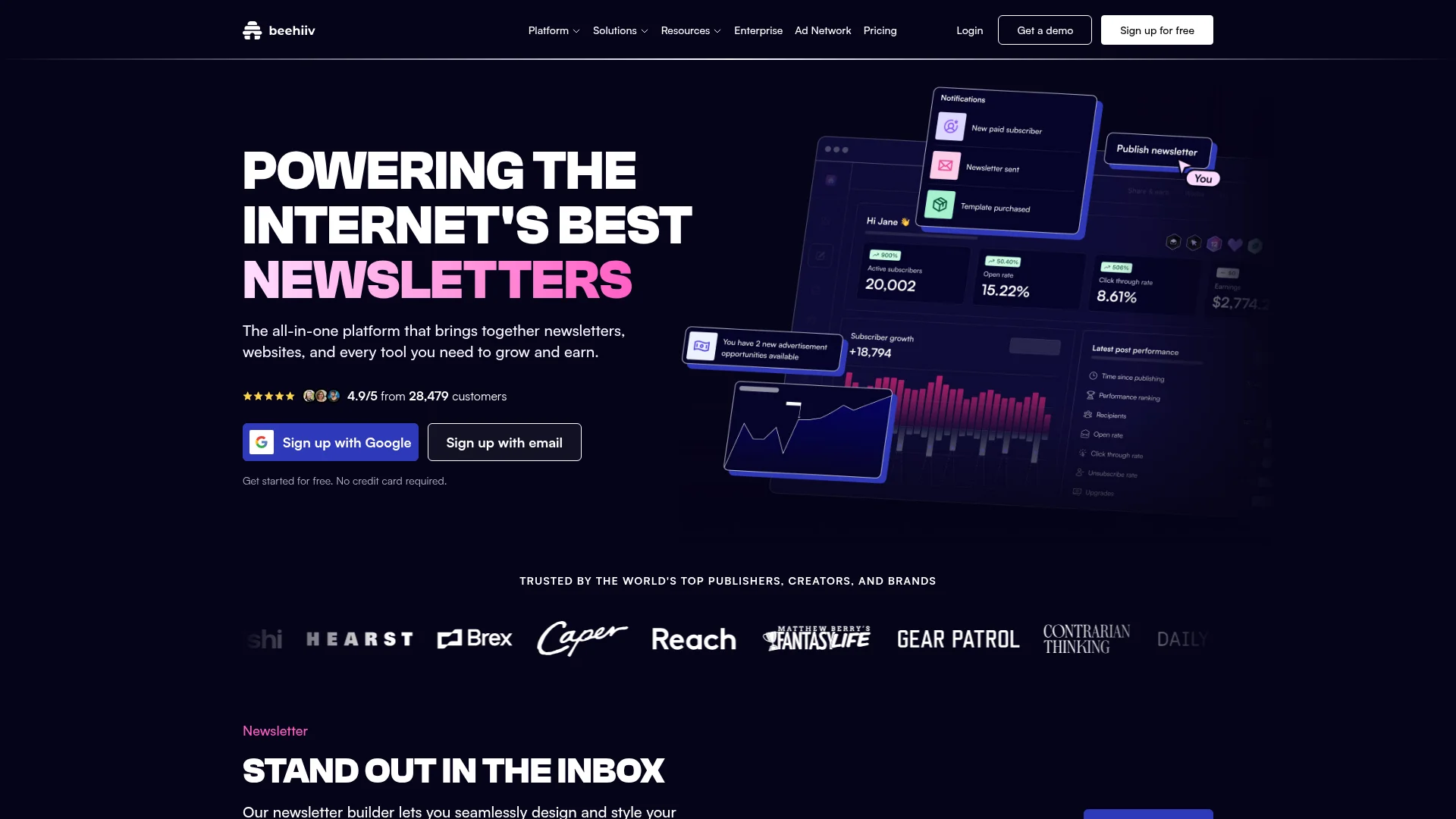
Paid newsletters work for one reason: a small number of people will pay $10 to $50 a month to read a specific writer about a specific topic. Lenny Rachitsky has published that Lenny's Newsletter passed one million subscribers, of whom a reported 18,000 pay. Ben Thompson's Stratechery is estimated at roughly 26,000 paid subscribers at $120 a year, though he has never disclosed the figure himself.
Why it works in 2026: discovery is broken on every other platform. Google ranks AI-generated content, social feeds suppress outbound links, and trust in mainstream media is at historic lows. A reader-funded newsletter sidesteps all of that.
How to start: pick a topic you can write about every week for two years without getting bored. Publish free for six months on Beehiiv or Substack to find your voice and your first 1,000 subscribers. Turn on paid only after you have a clear signal that readers would miss you if you stopped.
3. AI agency or done-for-you service
Startup cost: $100 to $500. Time to first revenue: 2 to 4 weeks. Best for: operators who can sell.
An AI agency sells implementation: building an internal AI tool, setting up workflows, fine-tuning a model, or operating an AI-led sales motion for a client. Retainers run $2K to $10K a month, and three retainers is a livable business.
Why it works in 2026: every company above $1M in revenue knows it should "do something with AI" but cannot tell a strong proposal from a weak one. The agency is selling clarity, not just execution.
How to start: pick one industry and one workflow (e.g., "AI for property managers" or "AI for accountants doing month-end close"). Spend the first month on outbound, not building. Sign one paid pilot before quitting your job.
4. Notion or digital template shop
Startup cost: $0 to $100. Time to first revenue: 4 to 12 weeks. Best for: builders who enjoy systems.
A digital template shop sells Notion dashboards, Figma kits, spreadsheet trackers, or workflow templates as one-time purchases. The Notion creator Easlo has publicly cited figures above $500,000 a year from templates that each take a few hours to make. Treat creator numbers like this as self-reported: they are rarely audited and they vary between sources.
Why it works in 2026: people pay $30 to $300 for a template that saves them five hours of setup. The margins are software margins without the support burden of software.
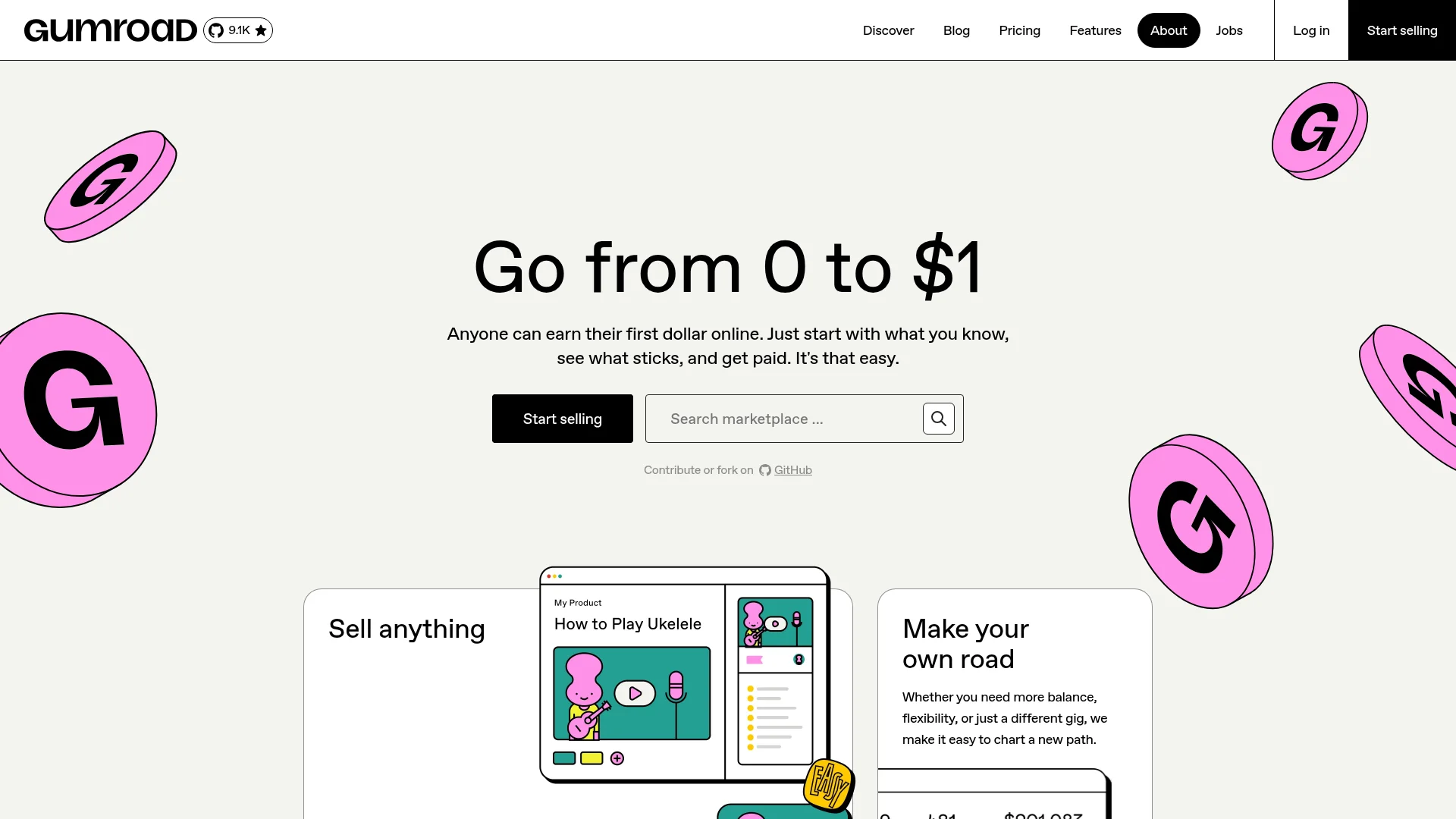
How to start: build 5 to 10 templates that each solve a specific job. Sell them through Gumroad, Lemon Squeezy, or your own site. Build an audience on the same platform your customers use (X, LinkedIn, TikTok). Bundling related templates together usually outsells listing them individually, because it raises order value without raising your traffic costs.
5. Online course or cohort
Startup cost: $0 to $500. Time to first revenue: 4 to 12 weeks. Best for: experts with a teachable result.
An online course or cohort packages what you already know into a structured learning experience. The shift in 2026 is away from self-paced video libraries, which get refunded heavily, toward small time-boxed cohorts where students actually get a result.
Why it works in 2026: certifications and degrees keep losing signal value, and people now pay for outcomes. A cohort that teaches "ship your first iOS app in 6 weeks" at $1,500 a seat outperforms a $99 video course on the same topic.
How to start: pick a result your students can achieve in 4 to 8 weeks. Pre-sell the first cohort before building any curriculum. Cap the first group at 10 to 20 students, charge a premium, and use the cohort as your testimonial generator.
6. Vertical AI SaaS
Startup cost: $200 to $2,000. Time to first revenue: 4 to 8 weeks. Best for: domain experts in a non-tech industry.
Vertical AI SaaS is software that does one job in one industry: AI scheduling for dental offices, AI lease summarization for property managers, AI quote generation for plumbing contractors. Harvey did this for law and reached $100M in annual recurring revenue about three years after launch. In the same market, Thomson Reuters acquired Casetext for $650M in cash in August 2023.
Why it works in 2026: vertical buyers want a tool that already speaks their language, not a horizontal product they have to customize. Every traditional industry now has a software gap that AI can fill at a fraction of the build cost of five years ago.
How to start: pick an industry where you have a personal connection (a relative who runs a business, a former employer, a community you are part of). Interview 20 operators in that industry before building anything. Ship version one in a weekend with CatDoes by describing the workflow in plain English, then iterate from real user feedback. If you have never shipped software before, our guide on how to build a website and earn money covers the foundation.
7. Niche mobile app subscription
Startup cost: $200 to $1,000. Time to first revenue: 6 to 12 weeks. Best for: builders who know one specific user deeply.
A niche mobile app subscription targets one type of user doing one type of thing: an AI nutrition coach for endurance athletes, a habit tracker for new fathers, a meditation app for nurses. Cal AI, Finch, and Routine are all examples of apps that started in a narrow niche rather than competing for a general audience.
Why it works in 2026: the consumer app market has shifted decisively toward paid software. Appfigures data reported by TechCrunch put 2025 global consumer spending at $155.8 billion, with non-game apps at $82.6 billion against $72.2 billion for games, the first year non-game apps took the top spot. AI also gives a tiny app real personalization that used to require a data team.
How to start: pick a user group you understand. Build a single-screen MVP with CatDoes and let it ship to both the App Store and Google Play for you, charge from day one at $5 to $15 a month, and use App Store search ads to test the niche. For a deeper list of specific niches, see our breakdown of mobile app ideas worth building in 2026.
8. Shopify app or theme
Startup cost: $200 to $1,000. Time to first revenue: 4 to 12 weeks. Best for: developers who want a captive audience.
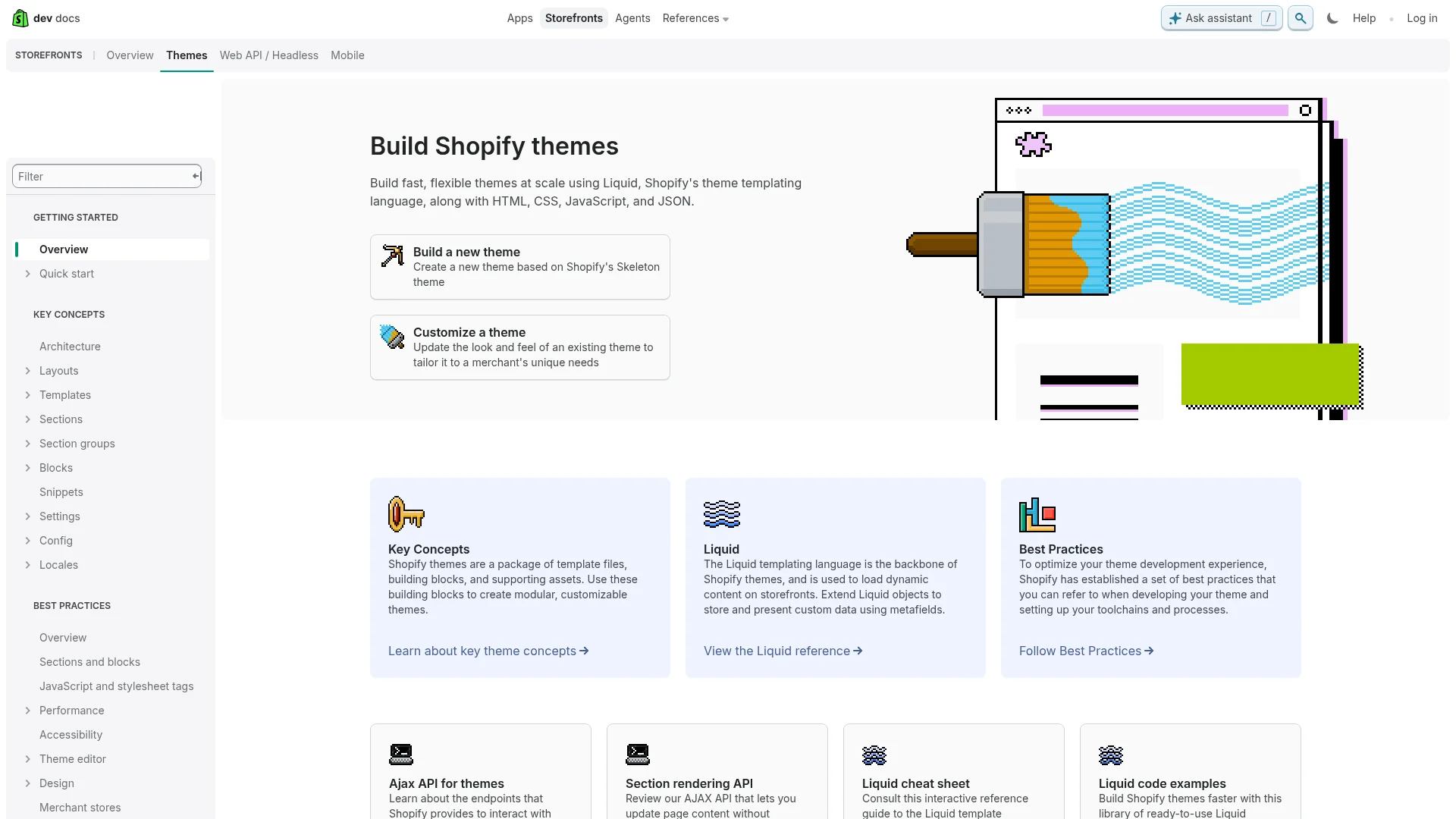
A Shopify app or theme sells into the millions of stores on Shopify. Postscript, which does SMS marketing for Shopify brands, raised a $65M Series C and works with more than 8,000 Shopify brands. Klaviyo went public in 2023 with much of its early revenue rooted in Shopify integrations. There is still room: most categories have 3 to 5 dominant apps and dozens of underserved sub-niches.
Why it works in 2026: Shopify handles billing, discovery, and trust. You are not building distribution from scratch, you are picking a category and shipping the best product in it.
How to start: install 20 competitor apps and read every one-star and two-star review. The categories where reviews complain the most are usually the ones where a new app can win on UX or AI features. Spin up the embedded app and merchant dashboard with CatDoes in an afternoon, submit to the Shopify App Store, and treat your first 50 reviews as your real marketing channel.
9. AI-powered content site
Startup cost: $50 to $500. Time to first revenue: 12 to 36 weeks. Best for: writers and SEO operators with patience.
An AI-powered content site is a niche site monetized by display ads, affiliate revenue, or lead generation. The model is not dead, but the bar moved: generic AI-generated content gets buried, while sites that combine deep expertise with AI-assisted production still rank.
Why it works in 2026: programmatic SEO and clustered topic depth still drive traffic if you have firsthand experience to put on top of AI drafts. Sites that publish first-person reviews and original data continue to grow while thin aggregators lose ground.
How to start: pick a niche with healthy affiliate or display ad rates (finance, software, B2B SaaS). Buy an aged domain or start fresh, publish 30 deep posts in one cluster, and add structured data. Use AI for the first draft, never for the final draft.
10. Local service booking app
Startup cost: $200 to $1,000. Time to first revenue: 6 to 12 weeks. Best for: founders comfortable with offline sales.
A local service booking app handles booking, payment, and reminders for a specific category of local business: dog groomers, mobile detailers, in-home physical therapists, lash technicians. The category is proven at scale. Fresha, which serves salons and barbershops, crossed a $1 billion valuation after an $80M round led by KKR. Booksy has been building the same wedge in beauty since 2014.
Why it works in 2026: local service businesses are still running on phone calls, paper schedules, and Instagram DMs. They will pay $50 to $200 a month for a tool that fills their calendar.
How to start: pick one trade and one city. Build the booking app and the merchant website with CatDoes over a weekend, then walk into 20 businesses and demo it in person. Charge from day one. Once you have 30 paying customers in one city, the same product expands to the next city with paid ads and word of mouth.
11. White-label AI reseller
Startup cost: $100 to $500. Time to first revenue: 4 to 12 weeks. Best for: marketers and sales-driven operators.
A white-label AI reseller buys access to an AI product at wholesale and resells it to small businesses under a private brand: AI chatbots for local restaurants, AI receptionists for clinics, AI lead-response tools for real estate agents. GoHighLevel is the best-known platform built specifically to support this agency reseller model.
Why it works in 2026: small business owners trust local consultants more than they trust a startup in San Francisco. If you can sell, the product is half the battle.
How to start: pick a white-label provider you trust. Define one industry and one offer. Sell five accounts at $200 to $500 a month before scaling. The bottleneck is sales motion, not product, so pour all your time into outbound.
12. Two-sided niche marketplace
Startup cost: $500 to $3,000. Time to first revenue: 12 to 26 weeks. Best for: founders with a deep network in one community.
A two-sided niche marketplace connects buyers and sellers in a specific community: Pallet for online communities, Hampton for founders, Outdoorsy for RV rentals. The two-sided dynamic is the hardest model on this list, but the most defensible once it works.
Why it works in 2026: AI does not really compete with marketplaces. The asset is the network, not the software. Once you have liquidity, switching costs are massive.
How to start: solve the supply side first. Hand-recruit 50 sellers, even if you have to do it one DM at a time. Do not launch the demand side until supply is real. Plan for 12 to 18 months before the marketplace flywheel starts spinning on its own.
Common patterns across the best businesses to start in 2026
Pull back from the individual ideas and the same patterns show up across the list.
Solo-operable for the first 12 months. None of these require a co-founder or a team. The first hire is usually a part-time operator at month 8 or later, paid out of revenue.
Charge from day one. Free tiers can wait. Every business above asks the customer to pay before they get to the third week of operation. Free MVP feedback rarely converts into real revenue.
AI in production, not in marketing. The strongest version of every idea above uses AI to actually deliver the product or service, not just to write blog posts about it.
Narrow first, expand later. Every example that worked started with a single niche, a single city, a single industry, or a single workflow. Casetext began as a free annotated case-law library. Fresha started with salon booking. Lenny's Newsletter started as one person writing about product management. All of them looked too small to matter at the beginning.
How to choose the right business for you
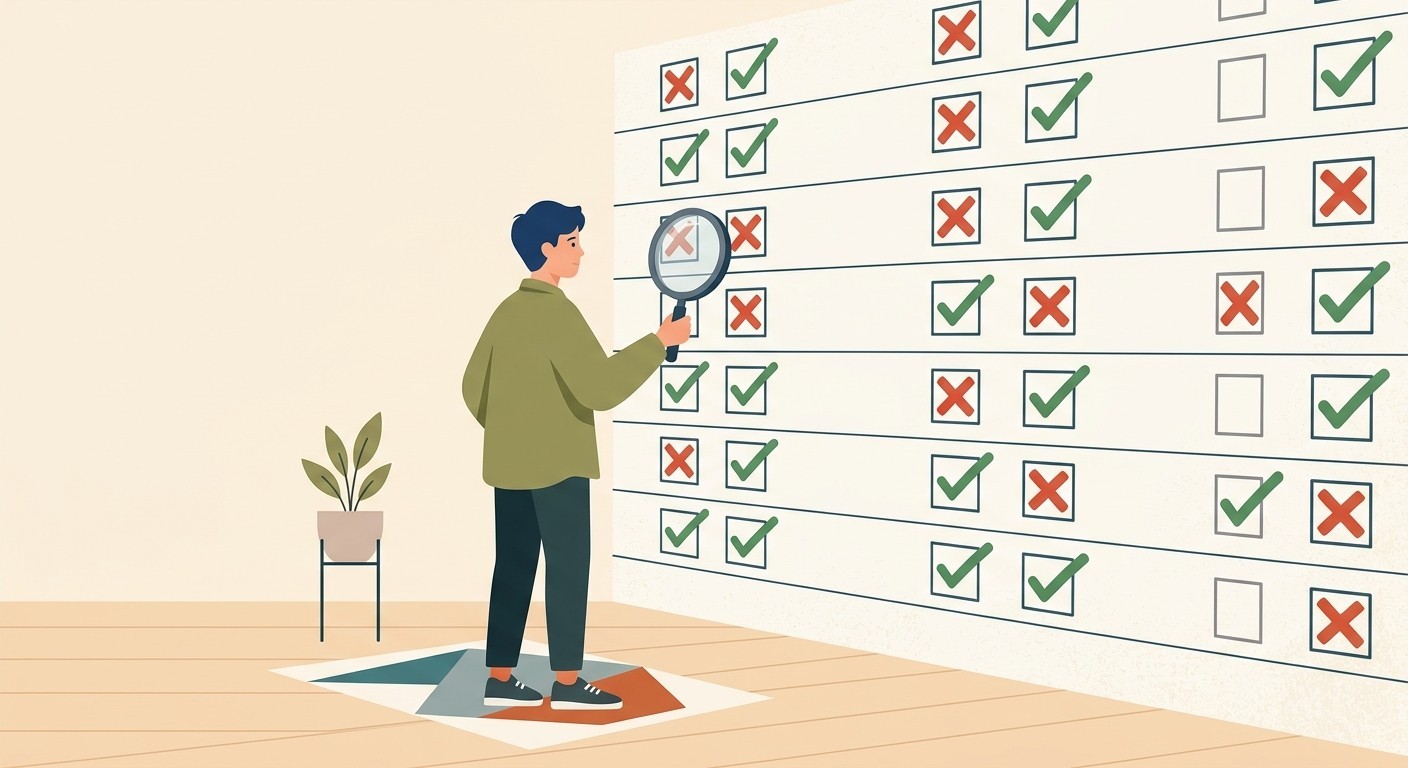
A useful filter: rank yourself on three traits and pick a business that rewards your strengths.
If you can sell, the highest expected value is an AI agency, productized consulting, or white-label reseller. Sales-led businesses generate revenue in the first month, which compounds faster than any other path.
If you can write or build an audience, the highest expected value is a paid newsletter, an online course, or a template shop. These businesses scale on distribution, and your unfair advantage is the people who already listen to you.
If you can build and you understand one specific user deeply, the highest expected value is vertical AI SaaS, a niche mobile app, or a Shopify app. Product-led businesses take longer to earn the first dollar but compound faster after the first 100 customers.
Avoid picking a business that requires all three at once unless you have already done it before. A two-sided marketplace needs sales, audience, and product all firing on day one, which is why so few first-time founders succeed at it.
How to validate before you build
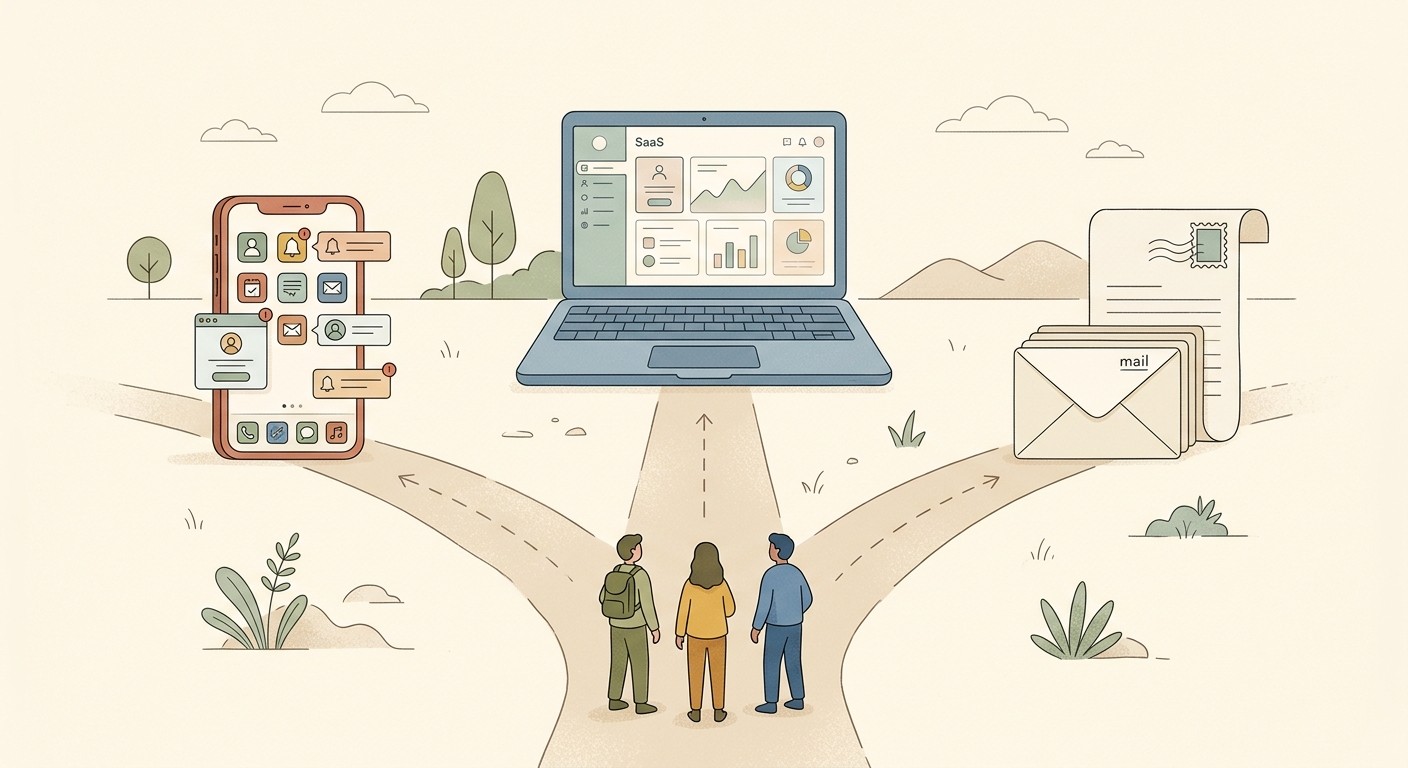
Every business on this list has a way to test demand in under a week. Run the test before you write a line of code or spend a dollar on tools.
Talk to 20 potential customers. Not surveys, real conversations. Ask what they currently use, what they hate about it, and what they would pay for a better version. Twenty conversations gives you enough signal to filter ideas in or out.
Run a landing page test. Put up a single page with the promise, the price, and a "join the waitlist" or "pre-order" button. Spend $100 on ads to drive 1,000 visits. If fewer than 2% click the button, the offer needs work before the product does.
Sell before you build. The cleanest signal is a customer paying with a credit card. Productized services, agencies, courses, and templates can all be pre-sold. SaaS can be pre-sold with a manual MVP where you deliver the result by hand for the first ten customers. For a full step-by-step framework, see how to validate a business idea in 5 proven steps.
Frequently asked questions
What is the easiest business to start in 2026 with no money?
Productized consulting and freelance services have the lowest startup cost (under $200) and the fastest time to first dollar (2 to 4 weeks). You are selling a skill, not a product, so the only investment is a landing page, a Stripe account, and the time to do outbound.
What is the most profitable small business in 2026?
On gross margin, digital products lead: template shops and paid newsletters keep most of each sale because there is no cost of goods, and vertical AI SaaS approaches software margins once inference costs are covered. The catch is time. All three take 6 to 24 months of consistent work before the margin applies to a number large enough to matter.
Can I really build a business with AI alone in 2026?
You can build the software with AI tools, but the business still needs a human for the parts AI cannot do: picking the niche, talking to customers, closing deals, and making judgment calls when the data is mixed. AI is the team you do not have to hire, not a replacement for showing up.
How much money do I need to start a business in 2026?
Most ideas on this list need $200 to $2,000 in startup cost: a domain, hosting, an AI app builder subscription, and a small ad budget for testing. Local services and marketplaces sit at the high end ($500 to $3,000) because you need inventory or initial supply.
Which of these businesses is best for someone with a full-time job?
Template shops, paid newsletters, and Shopify apps are the most compatible with a day job. They are asynchronous, customer support is light, and you can ship updates on nights and weekends. Avoid agencies and local service businesses while you are still employed, since they require daytime calls.
Start building today
The hardest part of starting a business in 2026 is not building it, it is picking the one to commit to. Most people stay in research mode for years. Pick one of the 12 above, give yourself two weeks to validate it, and start charging customers before the third week.
If your pick is a SaaS, a mobile app, a Shopify integration, or a marketing site, you can spin up the first version in an afternoon with CatDoes. Describe the business in plain English, let the agent build it, ship to the App Store, Google Play, or a custom domain, and start collecting paying users before the weekend is over. Database, auth, storage, and edge functions are included, so you do not need to wire up a backend before you can charge a customer.
Nafis Amiri
Co-Founder of CatDoes


