Blog
Insights
Best App Ideas: 10 Data-Backed Picks for 2026
Best app ideas for 2026: 10 concrete concepts backed by market data, 7 platforms to find your own, and a 5-step validation process. Start building today.

Nafis Amiri
Co-Founder of CatDoes
TL;DR: The best app ideas come from research, not brainstorming. This guide gives you 10 app ideas for 2026, each tied to a named market forecast. You also get 7 places to find your own ideas and a 5-step test for real demand. Fortune Business Insights values the mobile app market at $330 billion in 2026. The money is real. The hard part is picking a problem people already have.
Most apps fail for one reason. Nobody wanted them.
CB Insights studied 431 startups that shut down. Poor product-market fit was the top root cause, named in 43% of them. These teams built first and checked demand later.
This guide flips that order. You get 10 app ideas with the market data behind each one. Then seven places to find your own, and a five-step test you can run in a weekend.
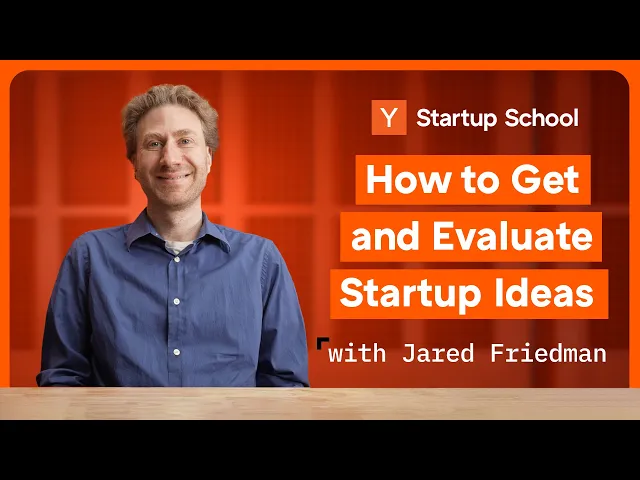
Jared Friedman of Y Combinator explains how Stripe, DoorDash, and Dropbox found their ideas. He also names the traps that kill weak ones early. Worth 20 minutes before you commit.
Table of Contents
10 Best App Ideas for 2026
7 Places to Find Your Own App Idea
Platform Comparison
How to Validate Your App Idea in 5 Steps
Frequently Asked Questions
Turn Your Best App Idea Into Reality
10 Best App Ideas for 2026
Here are ten app ideas with real demand behind them. Each one names a market, a gap, and a first move. Pick the one closest to a problem you already know well.
1. AI Nutrition and Meal Planning Coach
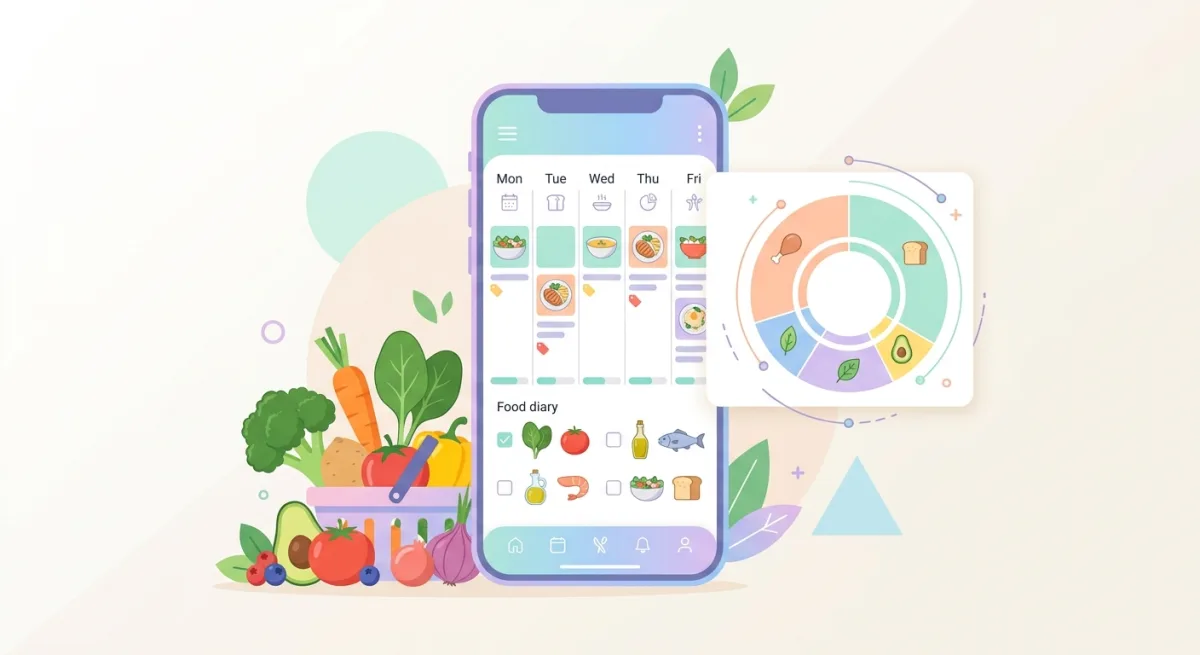
Most nutrition apps hand out generic plans. They ignore allergies, budgets, and the food people actually eat.
An AI coach that adapts to real limits has room to win. Start with one group. Diabetics, athletes, and people with celiac disease all have needs the big apps serve badly.
2. Subscription Tracker and Cancellation Manager
Deloitte's 2026 Digital Media Trends survey found that 61% of people would drop a favorite streaming service over a $5 price rise. Nearly half, 47%, already feel they pay too much.
People want control over what leaves their account each month. Build an app that finds recurring charges, flags price hikes, and makes cancelling one tap.
3. AI Mental Health and Wellness Companion
Grand View Research values the AI companion market at $48 billion in 2026. It expects 31% growth each year through 2033.
Therapy costs a lot and waiting lists run long. A companion app can offer mood tracking, guided exercises, and daily check-ins. This is a sensitive space, so safety rules matter more than features.
4. AI Job Application Assistant
Job hunting has turned into a tools problem. People juggle a resume editor, a keyword checker, a cover letter writer, and three job boards.
No mobile app does all four well. Build one that rewrites a resume for a specific job post in under a minute. That single feature is enough to launch.
5. Senior Care and Family Coordination App

The US Administration for Community Living expects 78.3 million Americans aged 65 and over by 2040. That is 22% of the country, up from 17% in 2022.
Business Research Insights sizes the elderly care app market at $4.58 billion in 2024, growing to $16.87 billion by 2033. Families need one place for pills, appointments, and caregiver shifts. Most tools today are built for care homes, not families.
6. Creator Business Dashboard

Goldman Sachs expects the creator economy to grow from $250 billion to $480 billion by 2027. It counts about 50 million creators worldwide.
Most of them run a business across five or more tools. A phone-first dashboard for earnings, brand deals, and posting would pull that into one view. Start with one platform, not all of them.
7. Pet Health and Vet Connect App
Global Market Insights values the pet tech market at $19.1 billion in 2026, reaching $52.9 billion by 2035. That is 12% growth a year.
Most pet apps chase social features. Owners want practical help: symptom checks, shot reminders, and quick access to a vet. Health is the underserved half of this market.
8. AI Home Services Marketplace
Finding a good plumber still runs on word of mouth. An app where you photograph a broken appliance and get a likely cause plus a price range takes out the guesswork.
Pair that with vetted local pros and instant booking. Supply is the hard part, so launch in one city and grow from there.
9. AI Habit Tracker with Real Accountability
Habit apps are easy to build and easy to quit. The ones that stick add social pressure.
Think partner matching, photo proof, and small cash stakes. Solo builders do well here because the feature set is small and the retention loop is clear.
10. AI Study and Exam Prep App
market.us values the mobile EdTech app market at $7.5 billion in 2024. It forecasts 27.3% growth a year, reaching $83.8 billion by 2034.
AI can write practice questions and explain wrong answers on the spot. Skip the broad platforms. Own one exam, such as nursing boards or a language test.
Notice the pattern. Every idea above names one audience and one job. That is what turns a vague concept into something you can build and test.
7 Places to Find Your Own App Idea
The list above is a starting point, not a menu. The better skill is finding ideas yourself. These seven places surface fresh concepts and, more useful, proof that people want them.
1. Product Hunt: Spot Validated App Ideas in Real Time
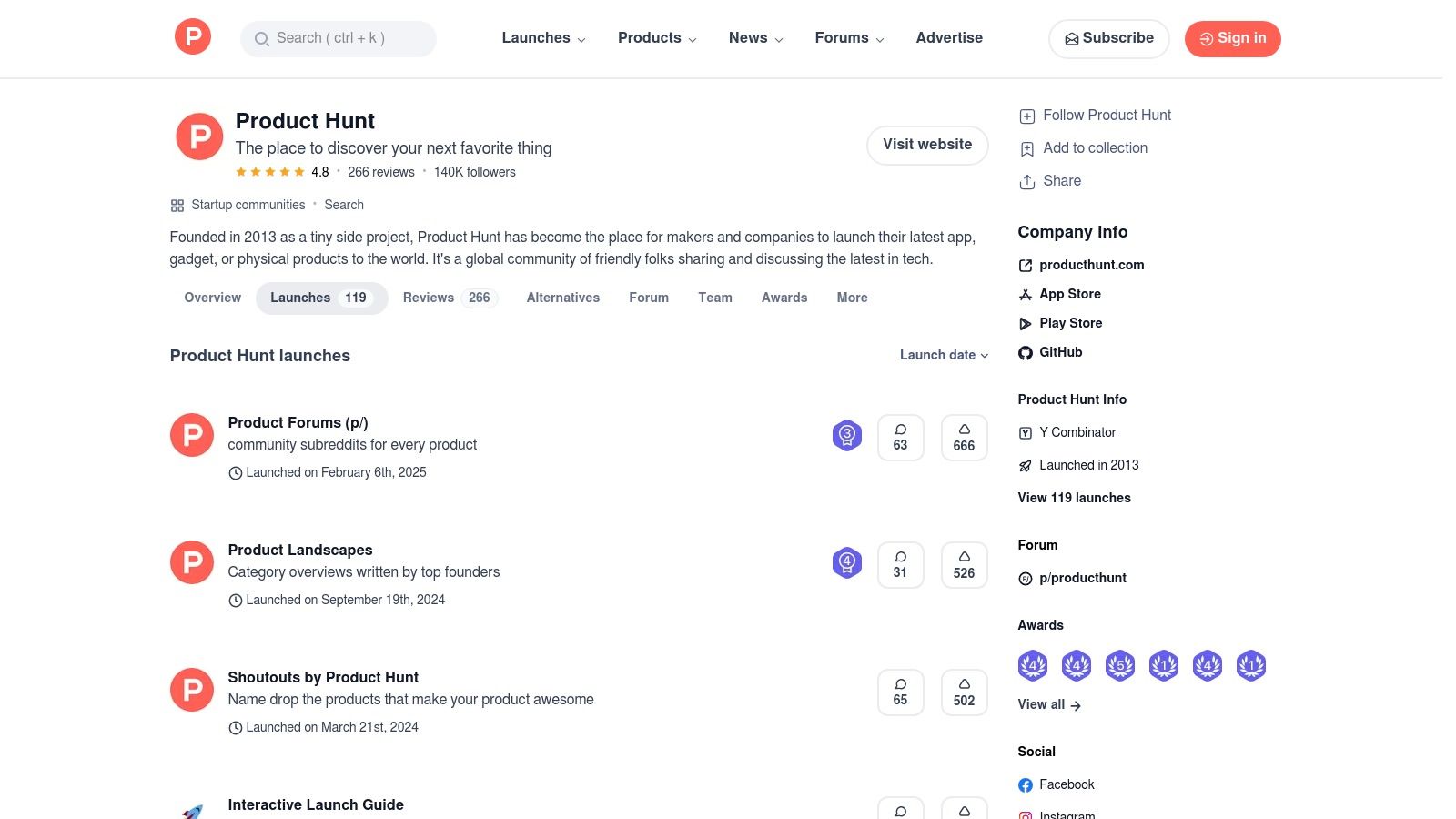
Product Hunt is a daily leaderboard for new products. People upvote, comment, and argue about every launch. That gives you a live read on what users want.
The comments are the real prize. Users say what they love, what is missing, and what still annoys them. Those gaps are your openings.
How to use it: Scan the daily feed for patterns. Filter by a category such as AI, productivity, or fintech. When a tool launches well but users ask for a mobile version, that is your opening. Browsing is free.
Pros | Cons |
|---|---|
Live community signals on real demand | Popular launches can hide niche gems |
Direct contact with the people building | No revenue or user numbers shown |
Free to read and search | Crowded launch days bury good products |
2. Amazon Books: Learn Proven Ideation Frameworks
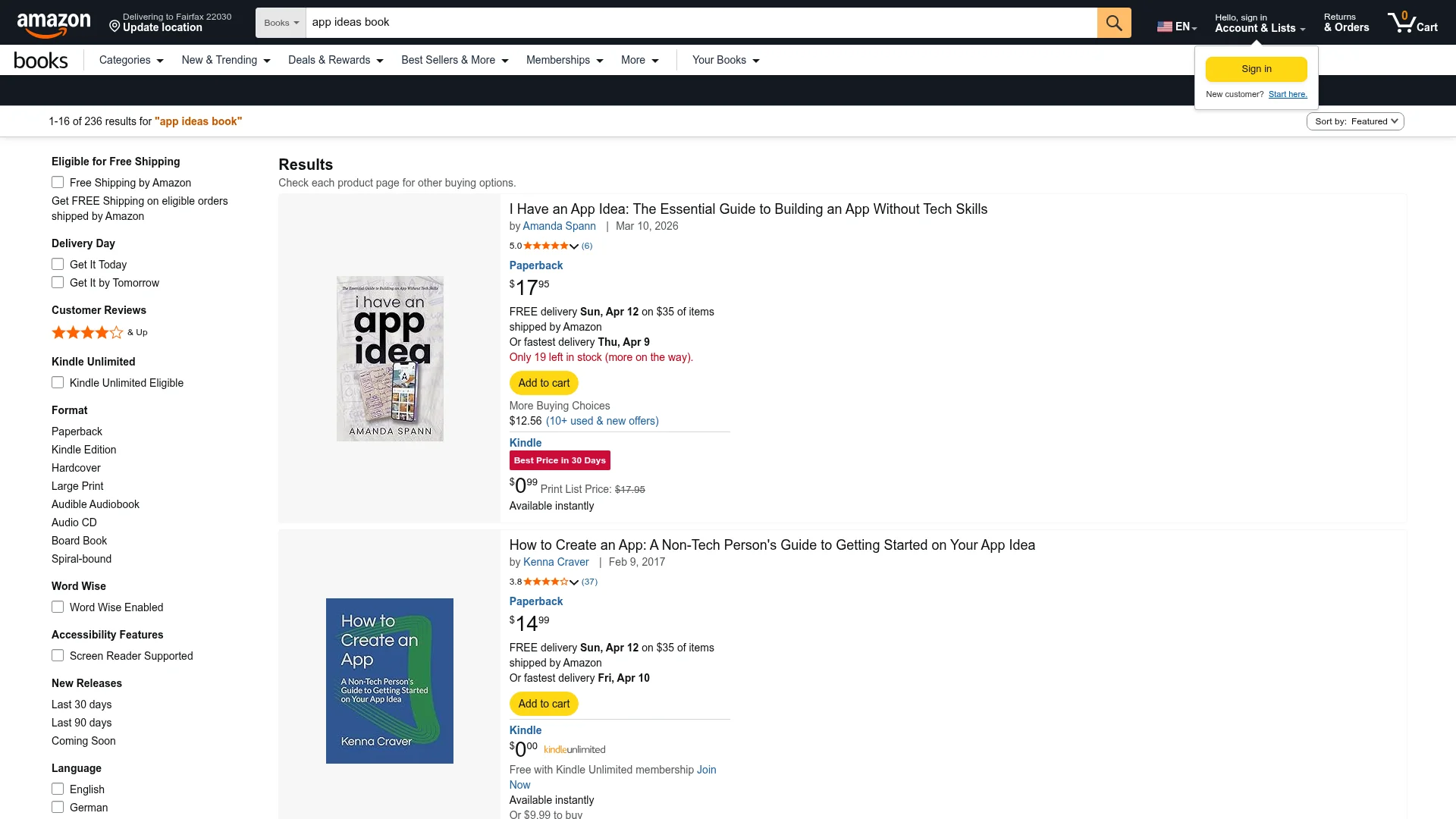
Books go deeper than any thread or blog post. "The Mom Test" by Rob Fitzpatrick and "Running Lean" by Ash Maurya shaped how thousands of founders test ideas.
Reviews act as a filter. Sort by four stars and up, then use the Look Inside feature to read the contents page first. Favor books written after 2023, since AI changed how fast you can build.
How to use it: Search for niche business ideas or customer discovery. Check the "customers also bought" row for lesser-known titles. Pick books with worksheets you can use the same day.
Pros | Cons |
|---|---|
Deep, structured methods from experts | Quality varies, so check reviews |
Reviews make good titles easy to spot | Slower than scanning a live feed |
Cheap and instant on Kindle | Many are broad, not app-specific |
3. Gumroad: Buy Curated App Idea Lists
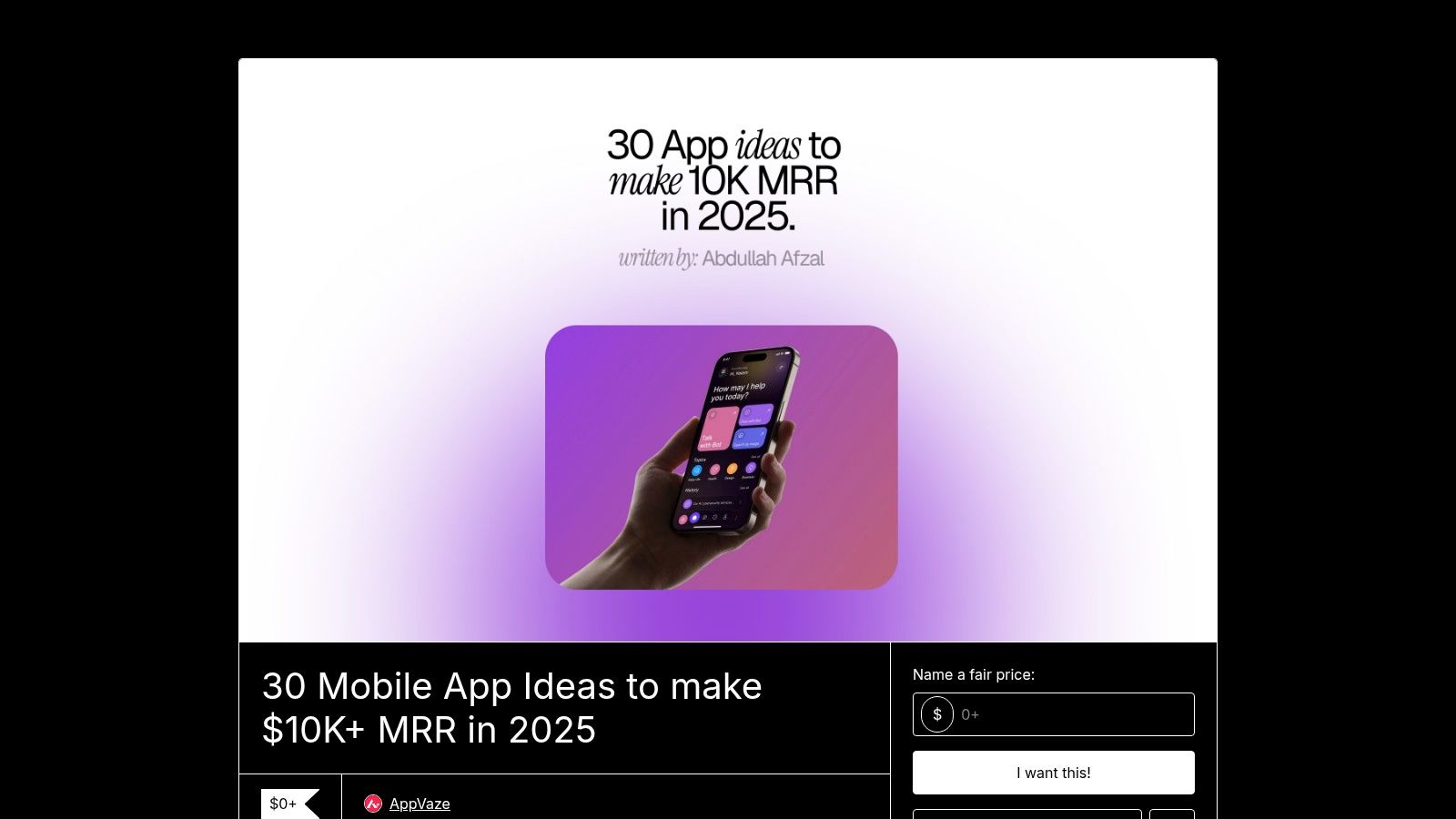
Creators on Gumroad sell focused packs such as "30 SaaS ideas for the creator economy." Many arrive as Notion files you can sort and tag by your own skills.
The good packs name target users and revenue models, which saves hours of research. To judge whether an idea can earn, read our guide to mobile app monetization strategies.
How to use it: Search for app ideas or startup prompts. Read the reviews and check what else the seller has made. Many packs are pay-what-you-want, so you can start free. Favor packs that show demand data, not just a list.
Pros | Cons |
|---|---|
Tight, niche-specific idea lists | Quality swings a lot by seller |
Ready to edit in Notion or a sheet | Some packs skip demand data |
Often free or pay-what-you-want | The same list sells to everyone |
4. Fiverr: Hire Experts to Validate Your Concept
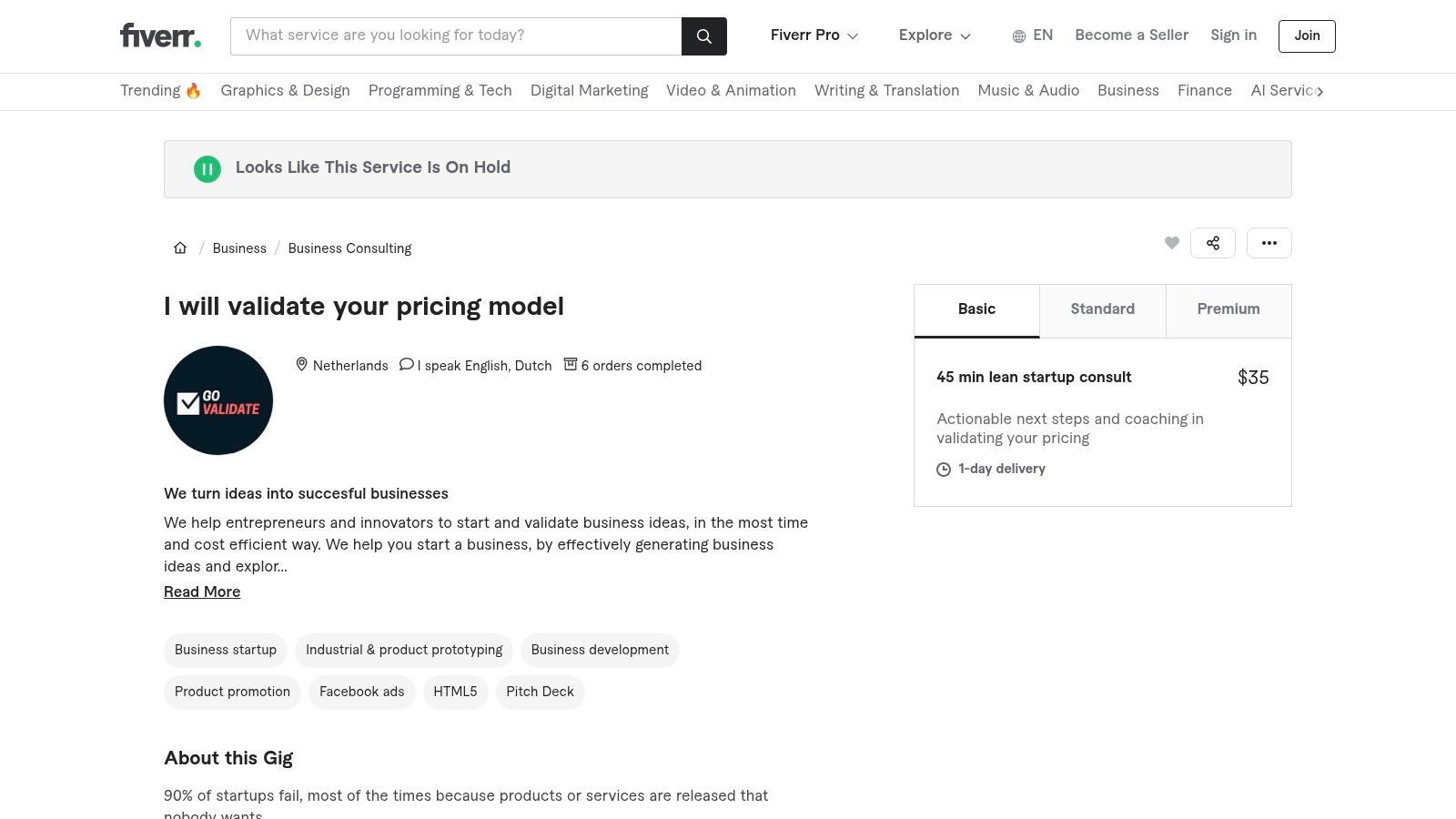
Fiverr turns testing into small, cheap tasks. You can hire someone to run a survey, study rivals, or build a test landing page in a few days.
That fits a lean approach. Run several small tests before you commit real money. Our guide on what a minimum viable product is explains where these tests fit.
How to use it: Search for market research or landing page gigs. Prices start around $5. Pick sellers with recent reviews. A common combo: one person builds the page, another runs a small ad test.
Pros | Cons |
|---|---|
Small budgets buy real test data | Vetting sellers takes effort |
Results land in days, not weeks | Generic deliverables are common |
A global pool of specialists | Time zones slow some projects |
5. Udemy: Master App Idea Validation Step by Step
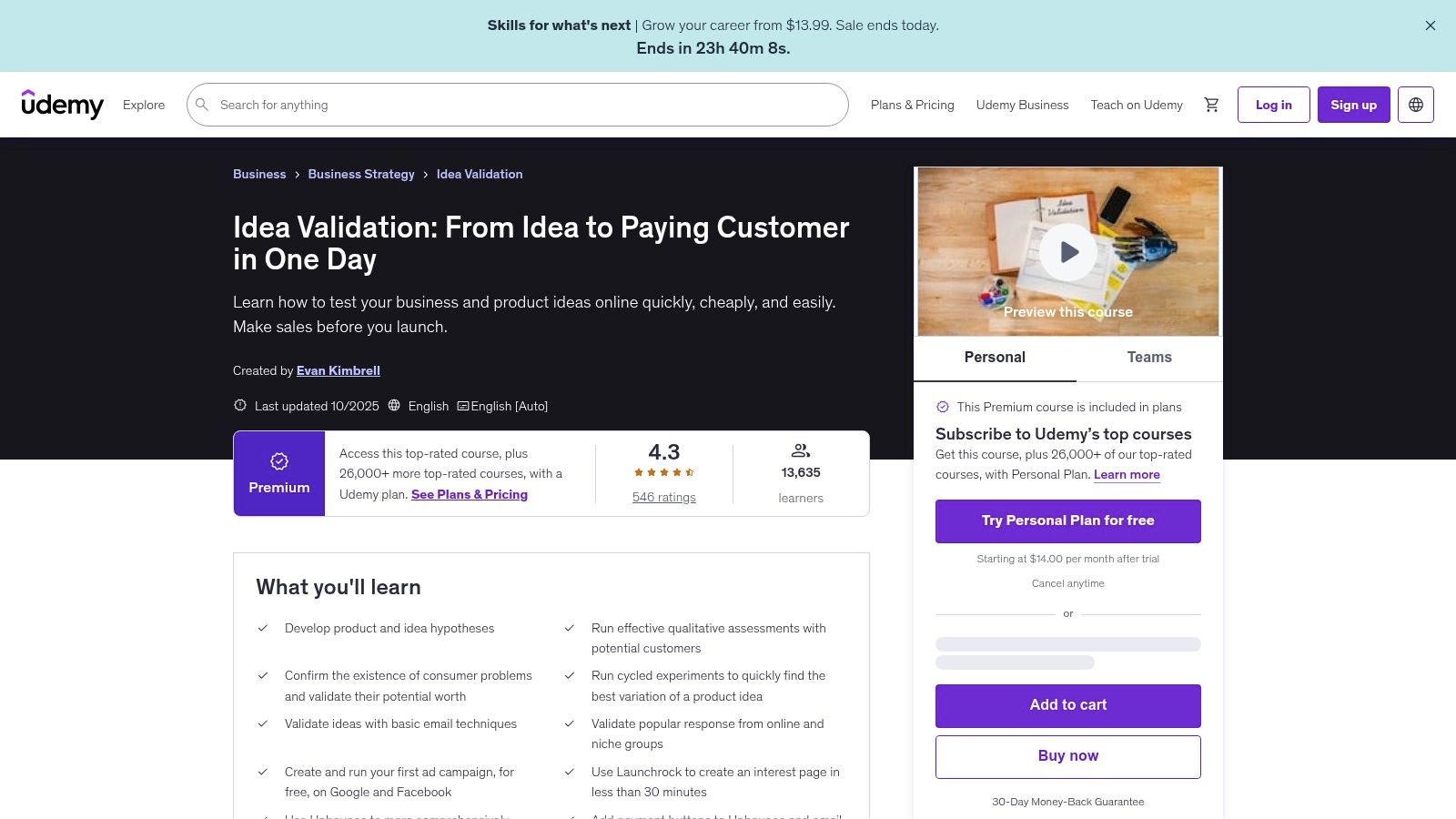
Udemy courses teach a repeatable method. You learn how to run customer interviews, test a page, and score ideas with data instead of gut feel.
The payoff is not one good idea. It is a system you can reuse for years.
How to use it: Search for customer discovery or market validation. Filter by four stars and up, then check the last update date. Most courses cost under $20 on sale. Choose ones with real case studies and exercises.
Pros | Cons |
|---|---|
Step-by-step methods you can copy | Check recent ratings before buying |
One-time price, lifetime access | Older courses date quickly |
Learn at your own pace | Self-paced needs discipline |
6. Trends by The Hustle: Get Premium Market Research
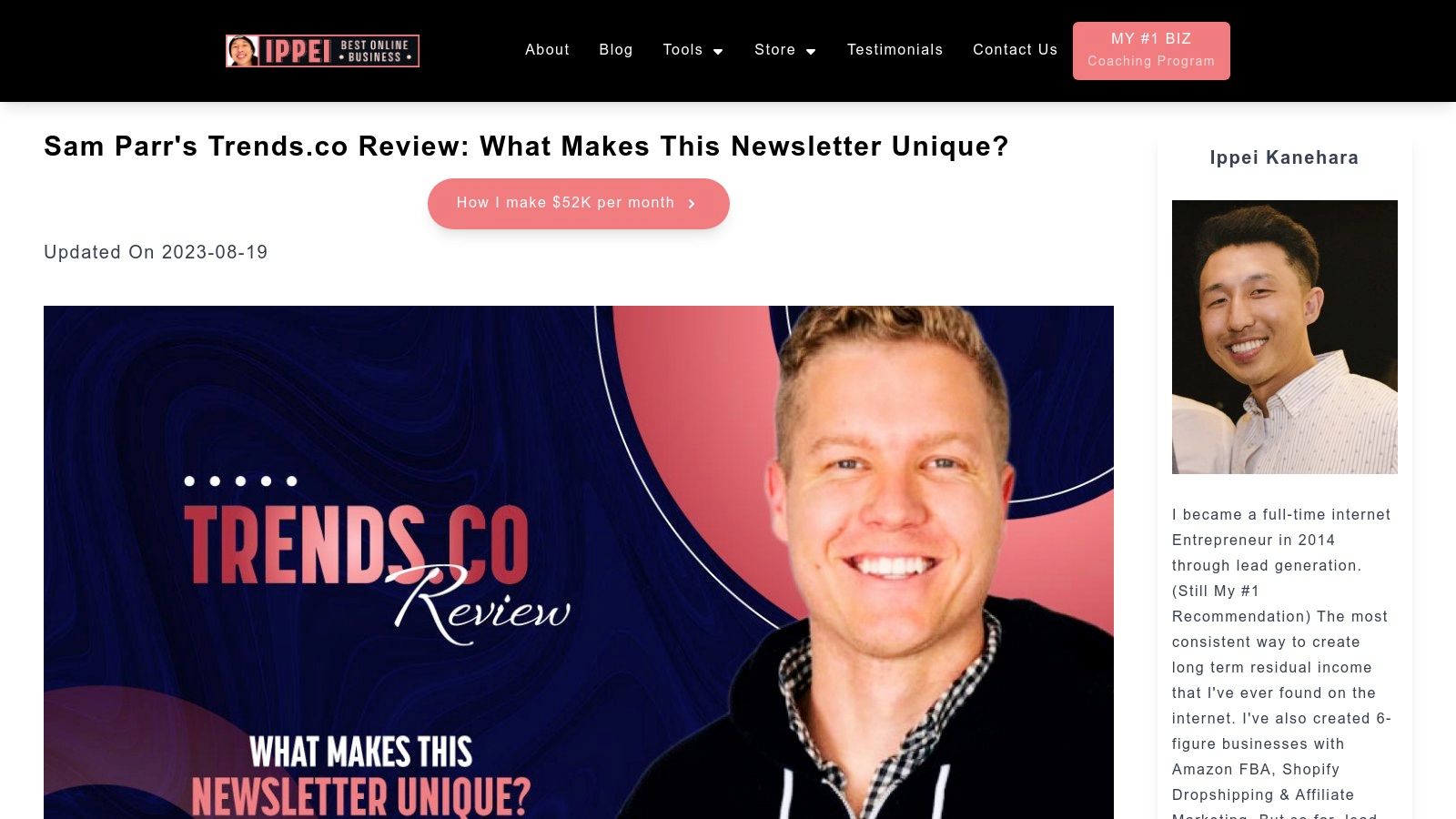
Trends is a paid research service. Instead of raw data, you get written reports on new markets, with case studies and clear analysis.
The private community adds a second layer. Members pressure-test ideas on each other before anyone writes code.
How to use it: Start with the research briefs and look for problems an app could solve. Post your idea in the community for feedback. Access needs a paid plan, but it can save weeks of digging.
Pros | Cons |
|---|---|
Curated research saves days of work | Paywall blocks casual browsing |
Community feedback before you build | Value depends on taking part |
Looks ahead, not just at today | Pricing changes often |
7. Exploding Topics: Find the Best App Ideas Before They Peak
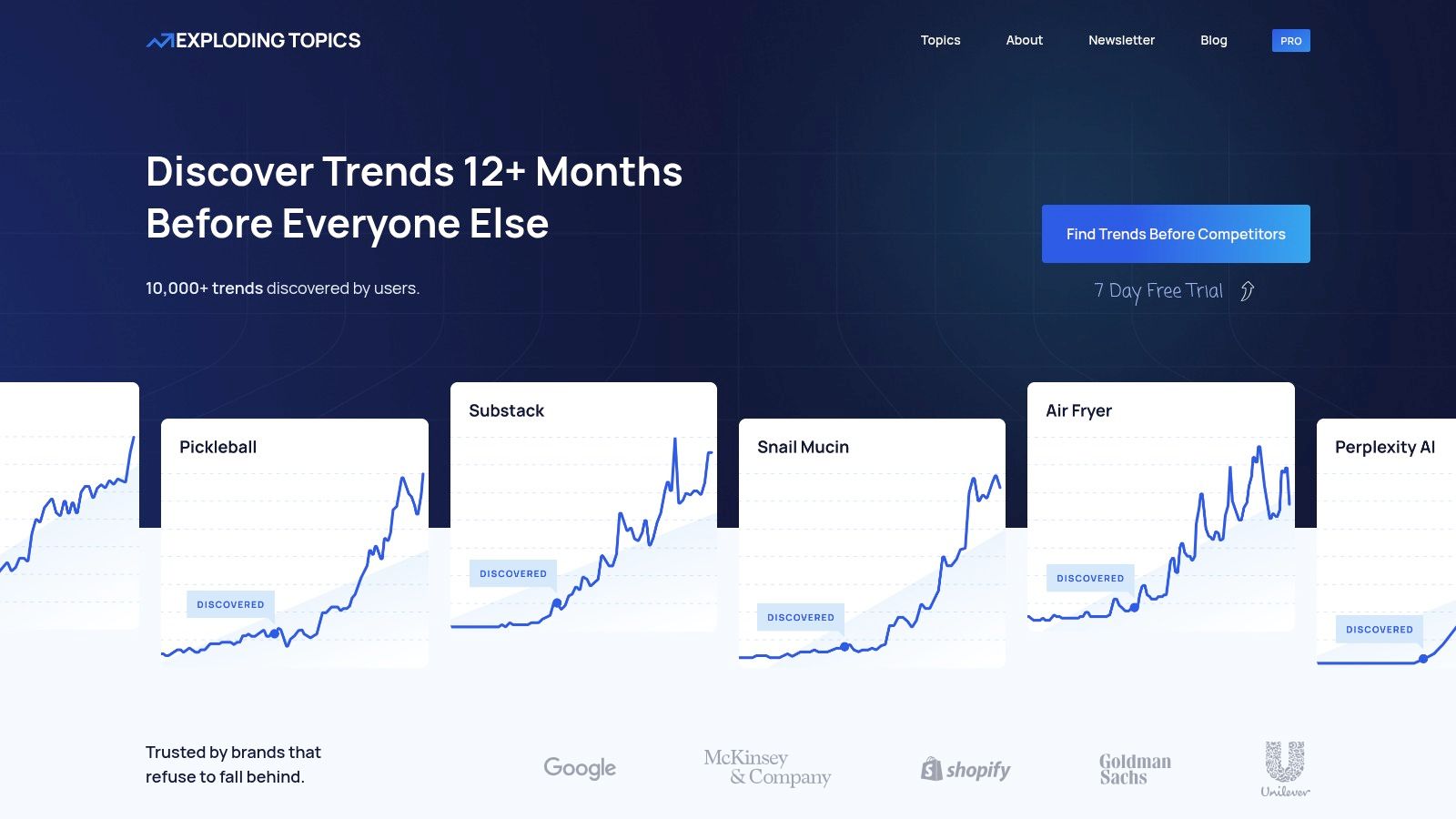
Exploding Topics tracks searches and mentions across the web. It shows what is about to get popular, not what already is.
That timing edge matters. You can spot a rising interest and build for it before the market fills up.
How to use it: Search a topic and read its growth chart. Look for steep, steady curves. The free tier updates weekly. Cross-check anything you find against Product Hunt to see who is already building it.
Pros | Cons |
|---|---|
Early signals give you a head start | Best data sits behind a paywall |
Clear charts show the growth curve | Skews to US and English search |
Surfaces whole categories, not keywords | Trends can stall without warning |
Platform Comparison
Platform | Effort | Cost | Best For | Key Advantage |
|---|---|---|---|---|
Product Hunt | Low | Free | Spotting gaps in fresh launches | Live community signals |
Amazon Books | Medium | $10-30 per book | Learning a repeatable method | Deep, structured knowledge |
Gumroad | Low | $0-50 per pack | Getting a niche list fast | Ready-made idea packs |
Fiverr | Medium | $5-500 per gig | Running quick demand tests | Expert help on demand |
Udemy | Medium | $15-30 per course | Building a validation habit | Step-by-step frameworks |
Trends | Medium | Subscription | Finding markets early | Curated research plus community |
Exploding Topics | Low | Free / Pro | Catching a trend before it peaks | Data-driven early signals |
How to Validate Your App Idea in 5 Steps
A good idea is half the work. The other half is proof. Here is a five-step test you can finish in a weekend.
Step 1: Check demand signals. Search your idea on Google Trends to see if interest holds or grows. Read threads in r/SideProject and r/startups for people describing the problem. If nobody talks about the pain, stop here.
Step 2: Read the bad reviews. Search the App Store and Google Play for apps like yours. Read the one and two star reviews closely. Repeat complaints point straight at gaps you can fill. No apps at all can mean no demand, not open space.
Step 3: Build a landing page. Make one page that describes the app and asks for an email. This takes a few hours with any no-code tool. Then spend $50 to $100 on ads to send real traffic to it.
Step 4: Measure real interest. Unbounce puts the median landing page conversion rate at 6.6% across 41,000 pages, though software pages sit lower at 3.8%. Beat 3% with cold traffic and you have a signal worth chasing.
Step 5: Build an MVP and test. Pick the one feature your app must nail, then ship it. Startup Genome studied more than 3,200 startups and found 70% grew too fast too early. Staying small at the start is the point. New to this? Our app development for beginners guide walks through the whole path.
Frequently Asked Questions
How do I validate an app idea before building it?
Start with proof that people care. Check search interest on Google Trends, read complaints in App Store reviews, and look for Reddit threads about the problem. Then build one landing page and spend $50 to $100 on ads. If more than 3% of cold visitors sign up, the idea is worth building. CB Insights found poor product-market fit behind 43% of 431 startup shutdowns, so this step is not optional.
Where can I find free app ideas?
Product Hunt and Exploding Topics both have free tiers. Browse Product Hunt daily for new launches and the gaps in their comments. Reddit communities such as r/SideProject and r/startups discuss real problems all day. App Store reviews are the best free source of all. Look for the same complaint repeated across several apps.
What makes a good app idea in 2026?
Three things. It solves one clear problem for one clear group. People already search for or pay for a fix. And you can ship a first version in under a month. The strongest ideas right now use AI for personal help, or serve groups the big apps ignore, such as seniors, pet owners, and small creators. Avoid anything aimed at everyone.
Should I use AI to generate app ideas?
Use it to widen your list, not to pick the winner. AI is good at spinning out twenty variations of a concept you already spotted. It cannot tell you whether anyone wants them. Run the variations through the five steps above, then build the one with a real signal.
How much does it cost to build an app from an idea?
A custom build from an agency still runs into tens of thousands of dollars. No-code and AI tools changed that math. Fortune Business Insights sizes the low-code and no-code platform market at $48.9 billion in 2026, and the tools are now good enough to ship a working prototype in days. Many builders launch a first version for under $100 in platform fees.
Turn Your Best App Idea Into Reality
You now have ten app ideas with data behind them, seven places to find more, and a five-step test for demand. The trick is to combine them. Spot a trend, read the complaints, then confirm the gap is real.
Next comes the build. Pick one idea, name the single feature it must do well, and ship that first. You do not need to write code or raise money to launch a real app in 2026.
Ready to build? CatDoes turns a plain-language description into a working mobile app, with a backend, a database, and live testing on your phone. Pick an idea above, describe it, and watch the first version appear. Start building your first app today.
Nafis Amiri
Co-Founder of CatDoes


