Blog
Tutorials
How to Build a Website and Earn Money (2026 Guide)
Learn how to build a website and earn money in 2026. A complete step-by-step guide covering niches, platforms, monetization, and AI builders like CatDoes.

Nafis Amiri
Co-Founder of CatDoes
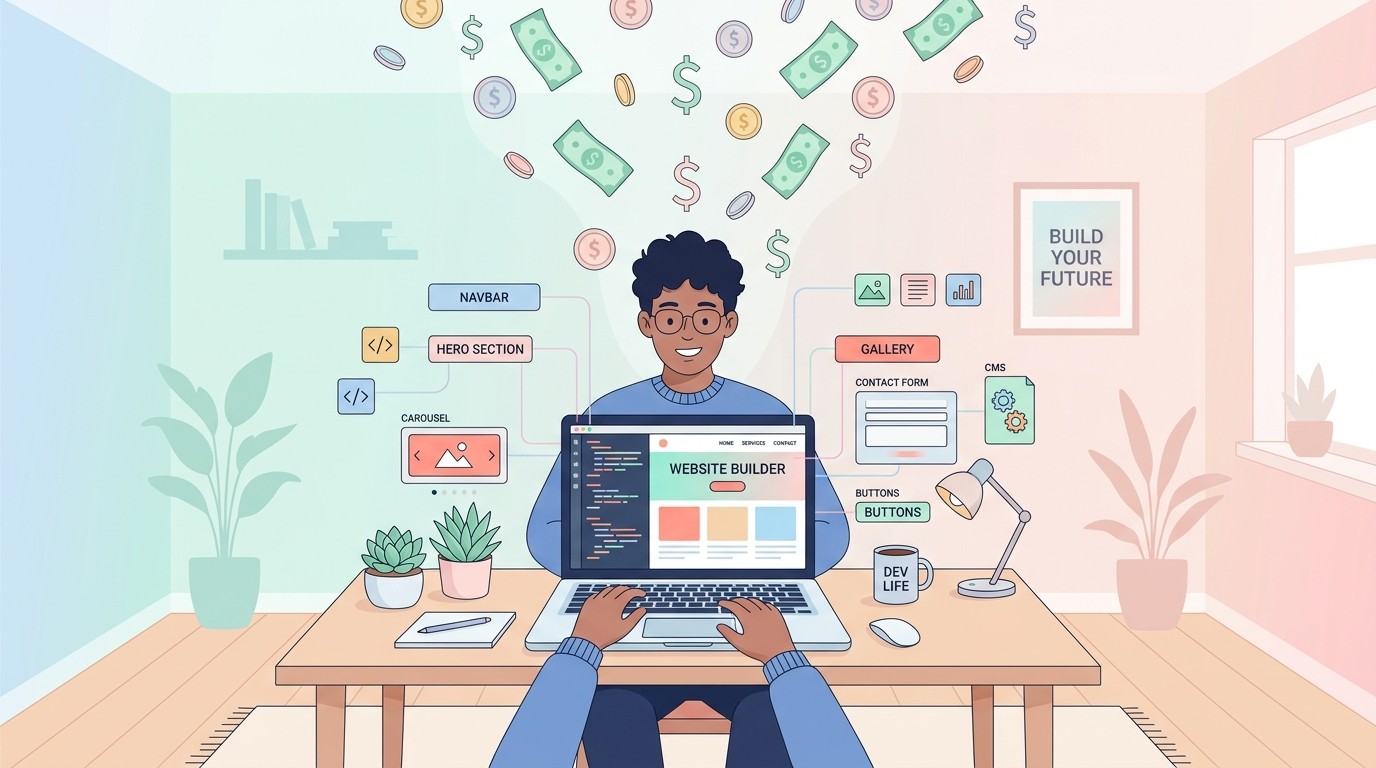
TL;DR: Pick a niche people pay for, build on a fast platform (WordPress, Shopify, or an AI builder like CatDoes), then layer 2-3 income streams once traffic is steady. Realistic target: $30-$150/month in 60-90 days, $500-$5,000+/month at 100K monthly pageviews. Revenue follows attention, never the other way around.
Building a website sounds simple until you hit publish and nothing happens. Empty analytics. No sales. The "earning money" half is a second skill, and most beginners skip straight to it before anyone is reading.
This guide walks through the full pipeline: how to build a website and earn money in 2026, step by step. You will pick a niche, choose a platform, launch fast, pull in traffic, and turn that traffic into real income. Every step includes a realistic earning range so you know what to expect.
Table of Contents
Step 1: Pick a Niche People Pay For
Step 2: Choose the Right Website Builder
Step 3: Build Your Website
Step 4: Get Traffic to Your Website
Step 5: 6 Ways to Earn Money From Your Website
Watch: 9 Passive Income Ideas From a Top Creator
Realistic Earnings Timeline
Common Mistakes to Avoid
Frequently Asked Questions
Step 1: Pick a Niche People Pay For
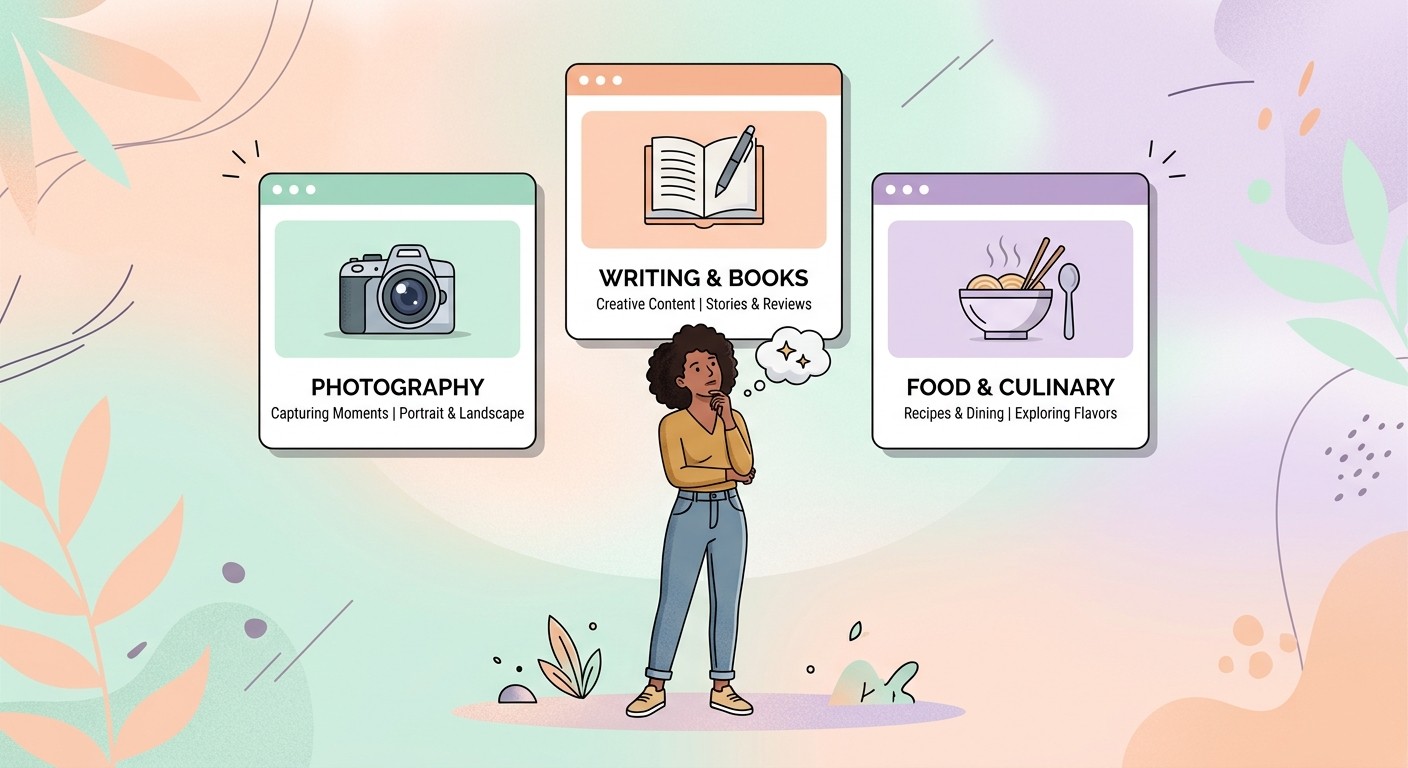
A niche is where your website lives. It is the specific slice of the internet that you become known for. The wrong niche caps your earnings before you publish a single post. The right one stacks traffic and revenue for years.
Good niches sit at the crossroads of three things: a topic you care about, a topic people search for, and a topic advertisers and affiliate programs pay well on. Miss any one and the numbers fall apart.
A few high-paying niches in 2026:
Personal finance and investing. Finance niches carry some of the highest RPMs online, often 3-5x the average content site.
B2B software reviews. SaaS affiliate commissions range from 20% to 50% recurring for multi-year deals.
Health and wellness. Meditation, sleep, and fitness sites earn well through courses, affiliate products, and sponsorships.
Lifestyle and hobbies. Photography, travel, food, and parenting attract large audiences and play well with ads plus digital products.
AI and productivity tools. Fast-growing vertical with high search volume and generous affiliate payouts.
Write down three niches you could talk about for a year without burning out. Then check the top 10 search results for each. If the ranking pages are all content mills with thin posts, that is a signal you can win there. If every top result is a major brand, consider a sharper sub-niche.
Step 2: Choose the Right Website Builder
Your platform shapes how fast you can launch, how much the site costs, and how much you control. There are three main paths in 2026.
Traditional CMS (WordPress). WordPress powers over 40% of all websites on the web, per W3Techs. It is free, flexible, and supports every monetization path. The trade-off is setup time. Expect 4 to 10 hours to pick a host, install a theme, configure plugins, and make it all work together.
E-commerce platform (Shopify). If you plan to sell physical or digital products from day one, Shopify is built for that. It costs from $29/month and handles payments, tax, and shipping. Less flexible for a blog or content site.
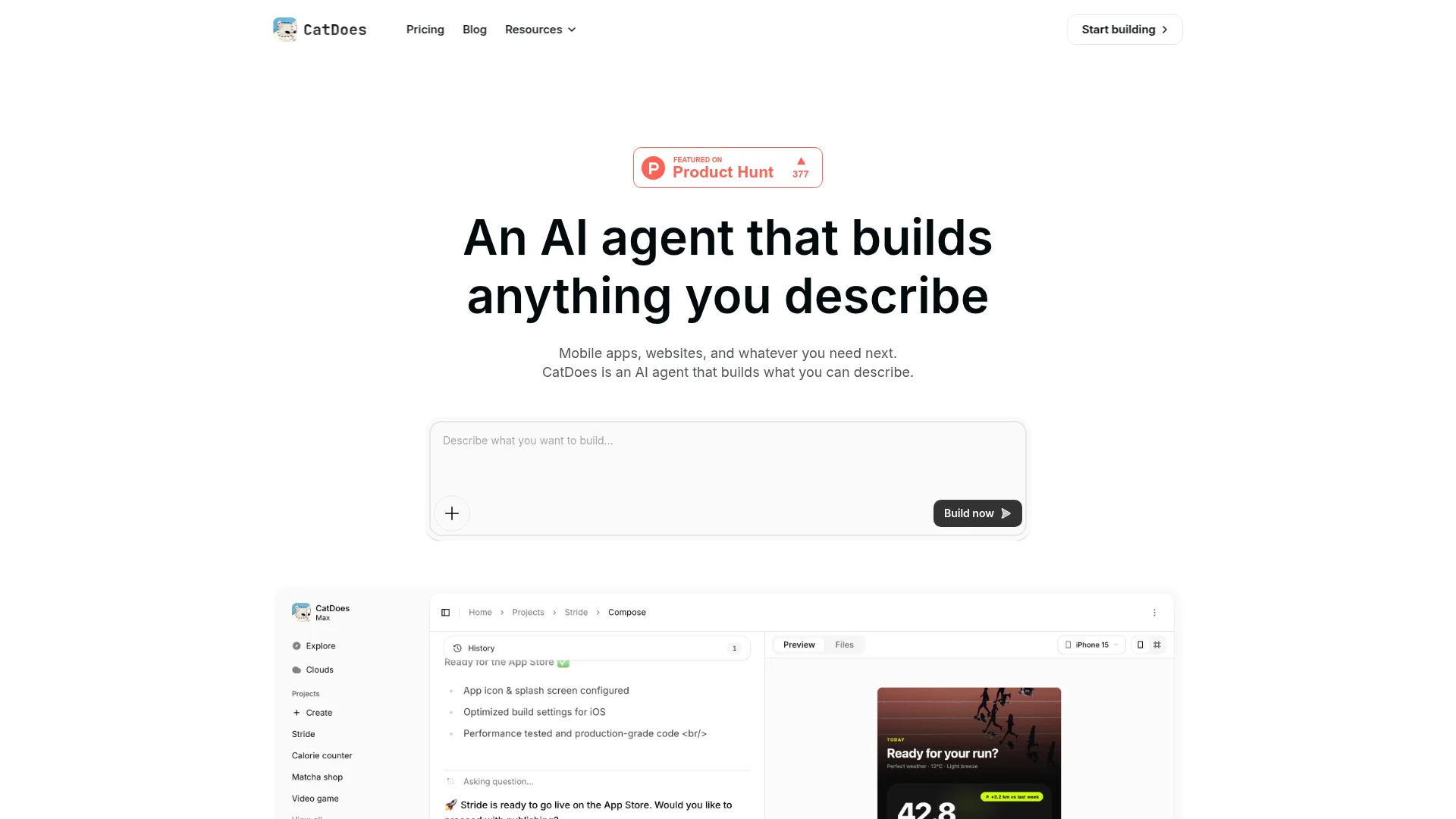
AI website builder (CatDoes). Describe your site in plain English and an AI agent plans, codes, tests, and deploys it. CatDoes outputs real web apps built on Vite or Next.js, not a drag-and-drop template. The whole backend (database, auth, storage, realtime) ships included with every plan through CatDoes Cloud. The same approach works for regulated niches, and we walk through it in our guide to building a law firm website.
Here is how the three compare for a first-time website owner:
Platform | Best for | Time to launch | Starting price |
|---|---|---|---|
WordPress | Blogs, content sites, affiliate hubs | 4-10 hours | From $3/mo (hosting) |
Shopify | Online stores, dropshipping | 2-5 hours | $29/mo |
CatDoes | Custom web apps, content sites, stores | Under 1 hour | Free, paid from $25/mo |
If you want a blog or an affiliate site, WordPress is still a safe pick. If you want a custom web app with login, a database, or real-time features, an AI builder shortens weeks of dev work into an afternoon. Our guide on how to create a website app walks through the AI-first approach in detail.
Step 3: Build Your Website
The "build" phase used to take weeks. In 2026 it can take an afternoon if you let AI do the heavy lifting. The core steps stay the same whatever platform you pick.
Plan your pages. Every money-earning site needs at minimum a homepage, an About page, a Contact page, and the core content pages (blog, product catalog, service list). Sketch them on paper first. Five pages is plenty to launch.
Pick a domain. Keep it short, memorable, and tied to your niche. Avoid numbers, hyphens, and cute misspellings. A .com still converts better than any alternative. Expect $10 to $15 per year.
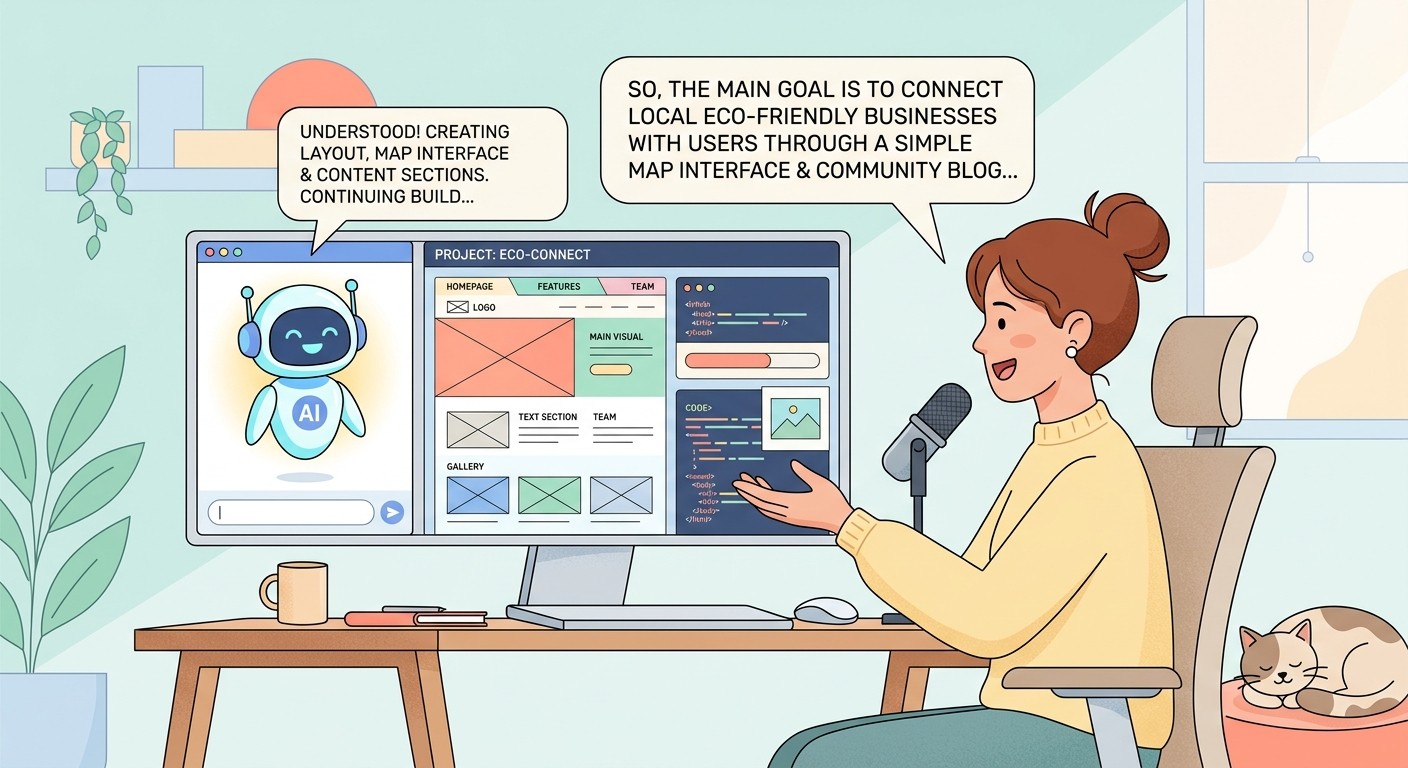
Build with AI. With CatDoes, you describe the site in plain English ("a blog about slow travel with a newsletter signup and a product store") and the agent plans the site, codes it, tests the pages, fixes its own errors, and deploys it to the web. It handles the parts that trip up beginners: routing, hosting, SSL, image optimization, responsive layout. You get a working site at a live URL without touching a server.
Publish content. Before you think about ads or affiliates, write 10-15 real posts that answer real questions in your niche. This is the hardest and most important step. Most sites quit here. For the exact launch checklist (DNS, sitemap, search console, analytics), see our guide on how to publish a website.
Step 4: Get Traffic to Your Website
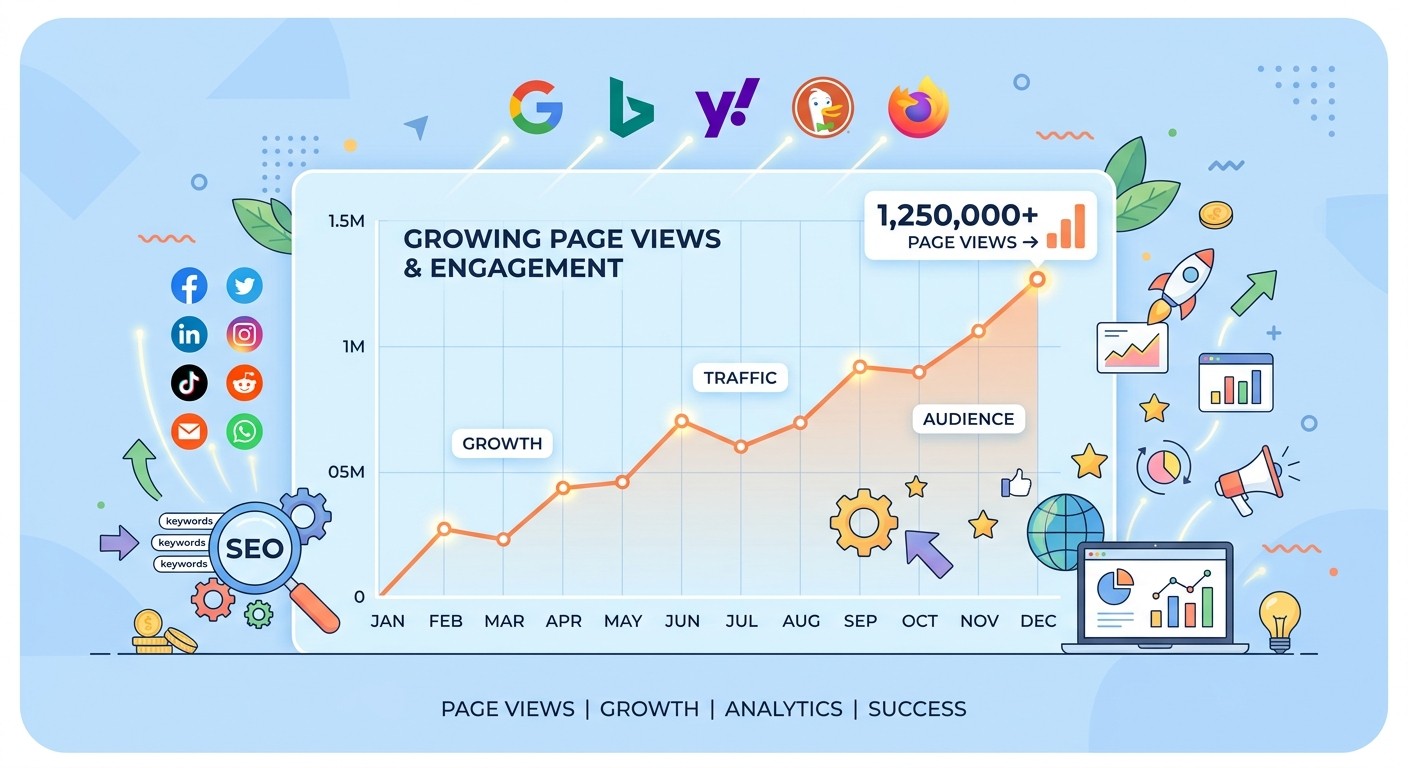
A website with zero traffic earns zero money, no matter which monetization method you pick. Traffic is the leading indicator. Revenue is a lag. Focus every week on the three channels below.
Search engine optimization (SEO). The highest-leverage channel for most websites. Pick keywords with real search volume, write posts that answer the question better than the current top result, and build internal links between your posts. Expect 3-6 months before Google sends meaningful traffic, and 6-12 months before it compounds.
Social distribution. Pick one platform where your audience already spends time. For B2B: LinkedIn and X. For lifestyle: Instagram and TikTok. For tutorials: YouTube. Post consistently for 90 days before judging results.
Email list. The one channel you fully own. Add a newsletter signup to every page. Offer a small freebie (checklist, template, short guide) in exchange for the email. 1,000 engaged subscribers often earn more than 10,000 random visitors.
The websites that build full-time income in 2026 do not pick one channel. They stack SEO for passive long-tail traffic, social for reach, and email for repeat buyers. The goal of every traffic piece is to move the reader onto your email list so you can sell to them again later. Those traffic pieces need somewhere to land, and a one page website built with AI is usually enough to start.
Step 5: 6 Ways to Earn Money From Your Website
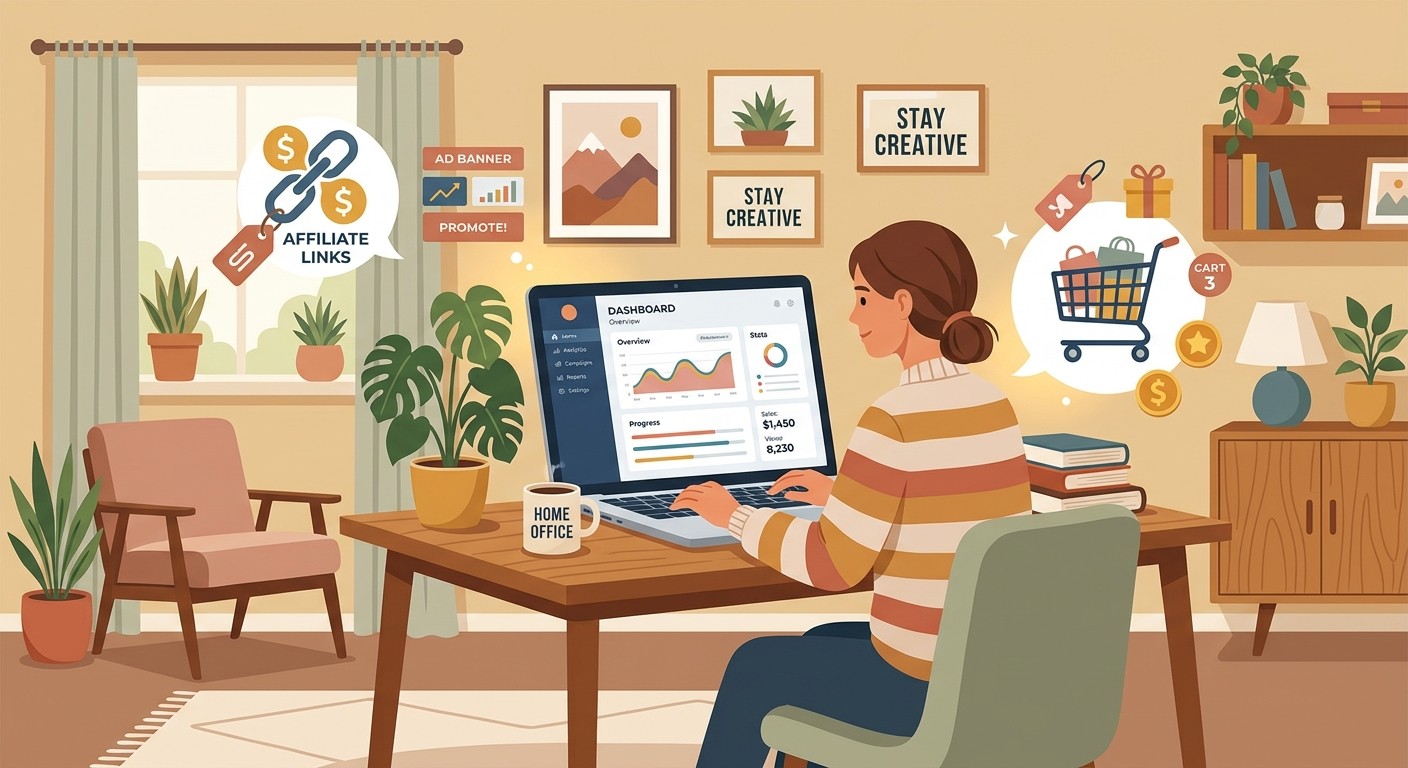
Once traffic is steady (at least 5,000 monthly visitors is a fair starting line), you can start layering income streams. Below are the six methods that actually generate income for small website owners in 2026, ranked by how easy they are to start.
1. Display Advertising
The most accessible path. Sign up with an ad network, drop a code snippet on your site, and earn per impression or click. Google AdSense is the entry point and pays out about 68% of ad revenue to publishers. Once you cross 10,000 monthly sessions, networks like Ezoic and Mediavine pay 3-5x AdSense for the same traffic.
Earning range: $5-$50/month on low-traffic sites. $500-$5,000+/month at 100K+ monthly pageviews.
2. Affiliate Marketing
You recommend products. When a reader buys through your link, you earn a commission. Amazon Associates is the starter program (low commissions but huge product range). For higher payouts, join networks like ShareASale, CJ Affiliate, and Rakuten, or sign up direct with SaaS companies.
The 2026 shift is toward trust, not volume. Readers tune out "top 10" listicles. They buy from creators who use the product, show screenshots, and recommend fewer things but better ones.
Earning range: $50-$500/month with 10K visitors. $2,000-$20,000/month with a warm email list.
3. E-commerce and Digital Products
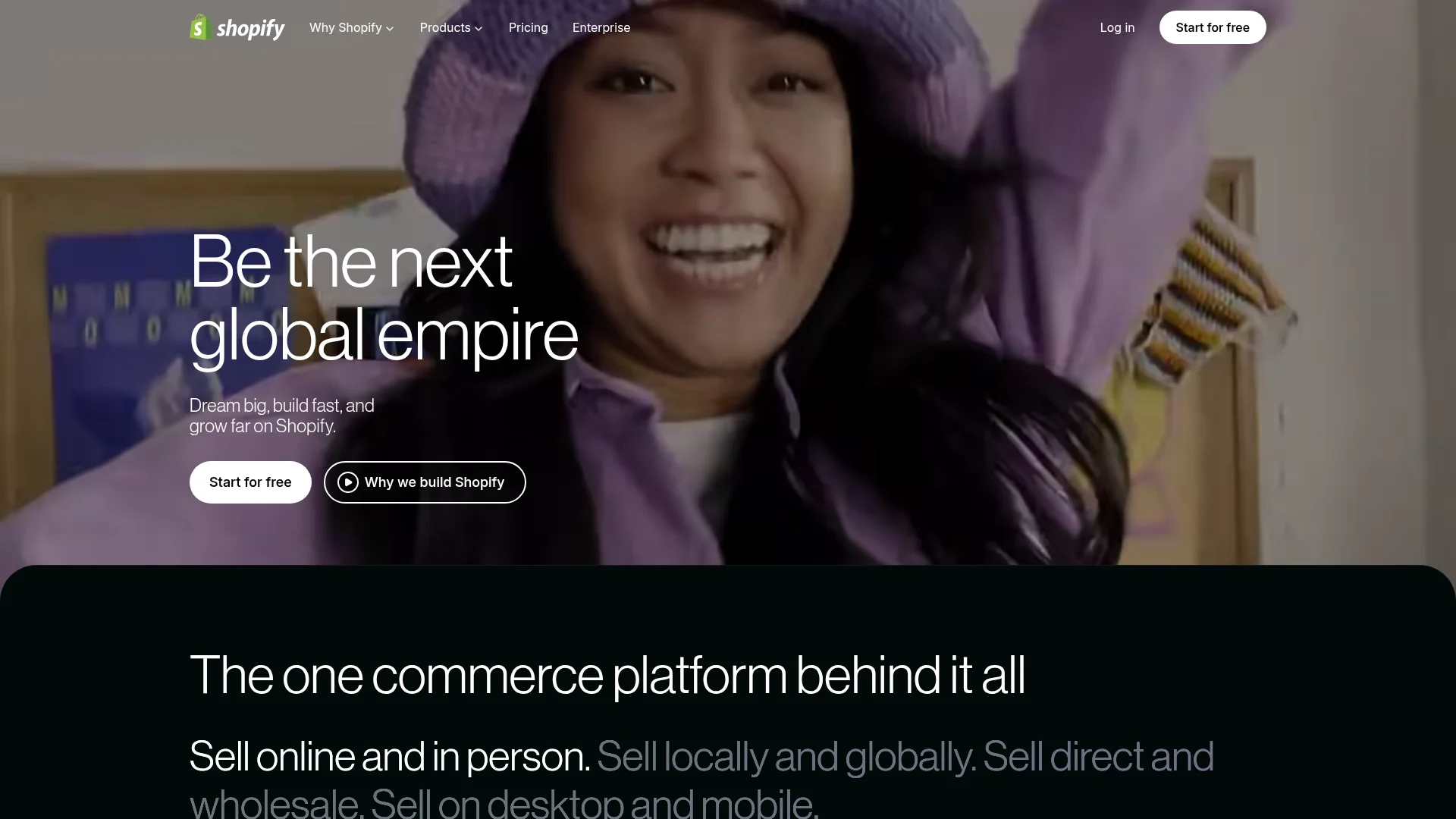
Once you have an audience, selling your own product beats a 10% affiliate cut. Options range from physical products (Shopify, dropshipping) to digital products (Notion templates, ebooks, stock photos, Figma kits).
Digital products are where most small websites start. No inventory, no shipping, 95% profit margin. A simple Notion template sold for $15 can earn $270 in three weeks with zero paid ads, just warm traffic.
Earning range: $100-$3,000/month for digital products. $500-$10,000+/month for a dialed-in store.
4. Memberships and Subscriptions
Gate premium content (deeper posts, templates, private community, office hours) behind a monthly fee. Recurring revenue smooths out the income roller coaster. Tools like Memberstack, Outseta, or Stripe handle the billing side.
Earning range: $200-$5,000/month once you have 50-500 members at $10-$30/month.
5. Online Courses
Courses still work but the 2026 buyer wants speed. Short, focused courses (2-6 hours of video, one clear outcome) outperform 12-module monsters. Host on your own site, Gumroad, or Teachable.
Earning range: $500-$20,000 per launch. Top-tier educators clear six figures per cohort.
6. Sponsorships and Brand Deals
Once your audience is big enough (roughly 25K monthly visitors or 5K newsletter subscribers), brands will pay to reach them. Newsletter sponsor slots, sponsored blog posts, and partner promos all fit here.
Earning range: $100-$2,000 per newsletter sponsor slot. $500-$10,000 per sponsored post.
Sites that build real income stack 3-4 of these methods. Ads cover the base, affiliate links add the middle layer, and your own product (course, template, membership) takes the top tier.
Watch: 9 Passive Income Ideas From a Top Creator
Ali Abdaal has built a personal website and YouTube presence into roughly $27K per week in passive income. In this 20-minute breakdown he walks through nine concrete income streams, rates each by how hard it is to start, and shows what actually scales. It is the clearest real-world view of website and content monetization in 2026.
Realistic Earnings Timeline
Most beginner websites follow a predictable curve. Knowing the shape saves you from quitting at month three, which is when most people do.
Timeframe | Typical traffic | Typical revenue | What you are doing |
|---|---|---|---|
Month 1-3 | 0-500 monthly visits | $0-$50 | Writing, publishing, learning SEO |
Month 3-6 | 500-5,000 monthly visits | $30-$150 | First ads, first affiliate clicks |
Month 6-12 | 5,000-25,000 monthly visits | $200-$1,500 | Ad network, scaling affiliate, first digital product |
Year 2+ | 25,000-250,000+ monthly visits | $1,500-$10,000+ | Full monetization stack, paid traffic tests |
Revenue per thousand visitors (RPM) varies wildly by niche. Finance, tech, and B2B sites pull $30-$80 RPM. Lifestyle and entertainment sit closer to $5-$15 RPM. Pick your niche with this in mind.
Common Mistakes to Avoid
These are the four patterns that kill more websites than anything else.
Starting with monetization. Every new owner wants to place ads in week one. No traffic means no ad revenue, and extra ads slow your site. Build attention first. Revenue follows.
Chasing niches with no affinity. A high-RPM niche you hate will burn you out in 90 days. The winning formula is "high-paying niche you can stand for two years."
One income stream. Sites that depend 100% on AdSense break when Google updates. Stack at least three methods before you call a site done.
Publishing once then stopping. Two strong posts per week beats 20 thin posts per day. Google rewards consistency, depth, and freshness. Consistency also beats intensity on every social platform.
Frequently Asked Questions
How Much Money Can You Make From a Website?
Most hobby websites earn $30 to $150 per month within 90 days of real effort. Sites that cross 100,000 monthly pageviews and stack 3-4 income streams clear $5,000 to $20,000 per month. A handful of top-tier sites run into six and seven figures per month, but those are outliers after 5+ years of work.
How Long Does It Take for a Website to Start Earning Money?
Plan for 6-12 months before your site clears $500/month consistently. The first 90 days are almost pure investment. Months 3-6 typically bring the first real ad payouts and affiliate commissions. Year two is where compounding kicks in, if you have kept publishing.
Can You Build a Website Without Any Coding?
Yes. Modern AI website builders handle the code, hosting, and deployment for you. With a tool like an AI app builder, you describe what you want in plain English and the agent ships a real, deployed website, often in under an hour. WordPress and Shopify are also no-code if you use a prebuilt theme.
Which Platform Is Best for Beginners?
For a blog or content site, WordPress is still the widest-supported choice. For an online store, Shopify is purpose-built. For a custom site (web app, marketplace, member-gated content, SaaS tool), CatDoes is the fastest path because an AI agent builds and deploys the whole thing for you, backend included.
Do You Need Traffic Before You Can Monetize?
Yes, for display ads and most affiliate programs. Google AdSense typically needs 100+ monthly visits to approve you, and ad networks like Mediavine require 50,000 monthly sessions. Your own digital product or service can earn from day one because you can sell to an email list of 50 people. Start collecting emails as soon as your site is live.
Want to skip the weeks of setup and launch a real website today? With CatDoes, describe your idea in plain English and an AI agent plans, builds, tests, and deploys the whole thing, backend included. Start building for free on catdoes.com.
Nafis Amiri
Co-Founder of CatDoes