Blog
Tutorials
15 Web App Ideas for Small Businesses in 2026
Discover 15 web app ideas for small businesses in 2026, from booking and inventory to CRM apps, plus how to build any of them without code using CatDoes.

Nafis Amiri
Co-Founder of CatDoes

TL;DR: The best web app ideas for small businesses in 2026 solve one painful, repeatable problem really well, booking, payments, inventory, client management, or feedback. You no longer need a developer or an agency to build them. With CatDoes, you describe the app in plain English and an AI agent builds it, sets up the database and login, and ships it to the web, the App Store, and Google Play. Below are 15 ideas worth building this year, who each one fits, why it works, and the exact prompt to start it.
Table of Contents
Why Build a Web App for Your Small Business in 2026?
How to Build Any of These Without Code
15 Web App Ideas for Small Businesses
Web App Idea Comparison Table
How to Pick the Right Idea
Frequently Asked Questions
The Bottom Line
Every small business runs on a handful of tasks that eat the day: booking customers, chasing invoices, tracking stock, answering the same questions over and over. Off-the-shelf software handles some of it, but it rarely fits exactly how you work, and the monthly fees add up fast across five different tools.
A custom web app changes that math. It does the one job your business actually needs, runs in any browser, and works on a phone without an app store download. The thing that used to make this impossible, hiring a developer or an agency, is no longer a requirement. This guide covers 15 practical web app ideas for small businesses in 2026, and shows how to build any of them yourself.
Why Build a Web App for Your Small Business in 2026?
A web app is software that runs in a browser instead of needing a download. For a small business that means your customers reach it from a link, on any device, with nothing to install. You can still ship the same app to the App Store and Google Play later when you want a home-screen icon.
Two things make 2026 the year to build one. First, customer expectations have moved: over 40% of bookings now happen outside normal business hours, so a self-service web app earns you revenue while you sleep. Second, AI has collapsed the cost of building. What used to take a developer three months and a five-figure budget can now start as a working prototype in an afternoon.
The winning ideas in 2026 are narrow, not broad. A focused app that nails one workflow beats a sprawling "do everything" platform every time. The 15 ideas below are all deliberately specific for that reason.
How to Build Any of These Without Code
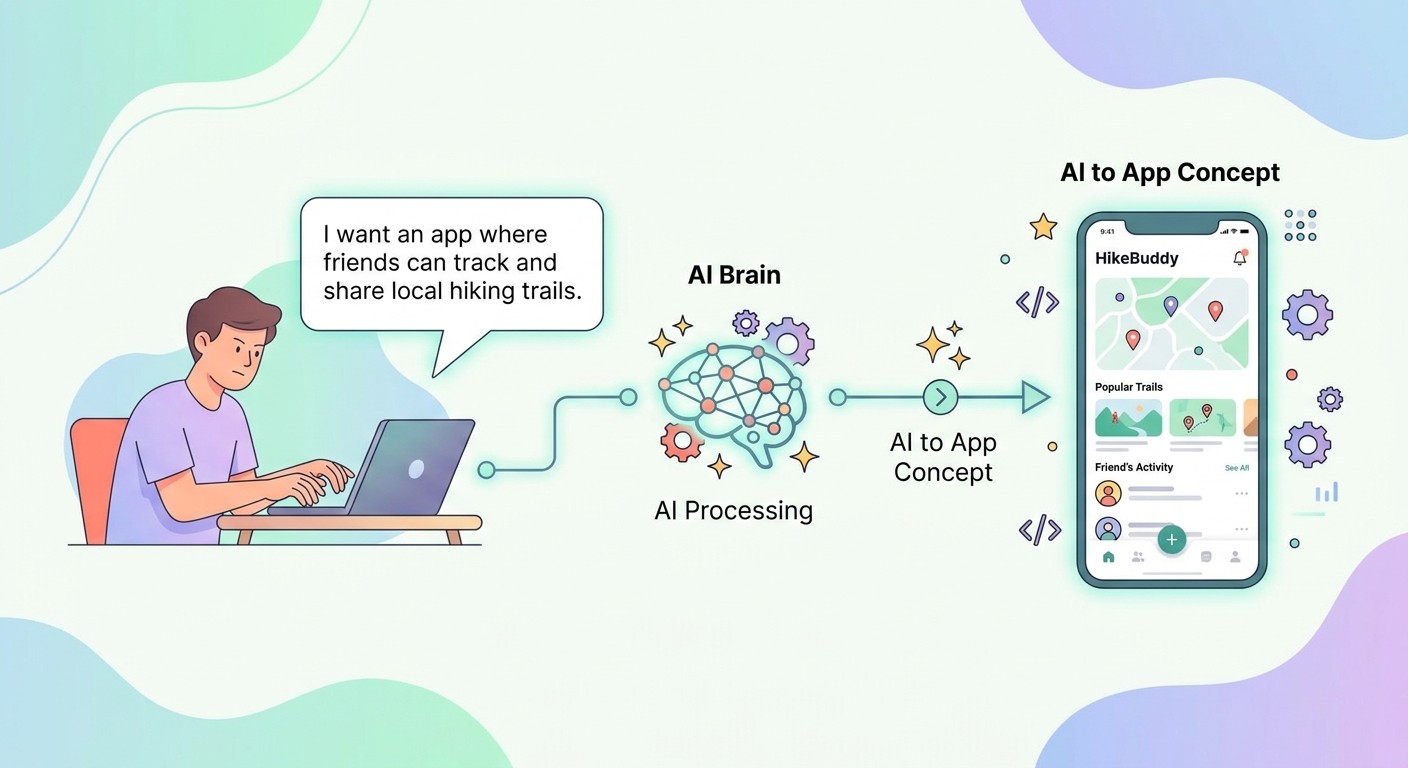
Every idea in this list can be built with CatDoes, an AI agent that turns a plain-English description into a real, working app. You do not drag components onto a canvas or wire up a backend. You describe what you want, and the agent writes the code, creates the database, sets up user login, and deploys it.
The workflow is the same for all 15 ideas:
Describe it. Type something like "a booking app for my dog grooming business with time slots, deposits, and reminders."
Let the agent build. CatDoes Cloud gives every app a built-in database, authentication, and storage, so the parts that normally need an engineer are handled for you.
Test and refine. Try it, then ask for changes in plain English: "add a loyalty stamp after every fifth booking."
Ship it. Deploy to the web on a custom domain, or publish to the App Store and Google Play.
If you have never done this before, our guide on how to create an app for your business walks through a full example. For now, here are the ideas, each with a starter prompt you can paste in.
15 Web App Ideas for Small Businesses
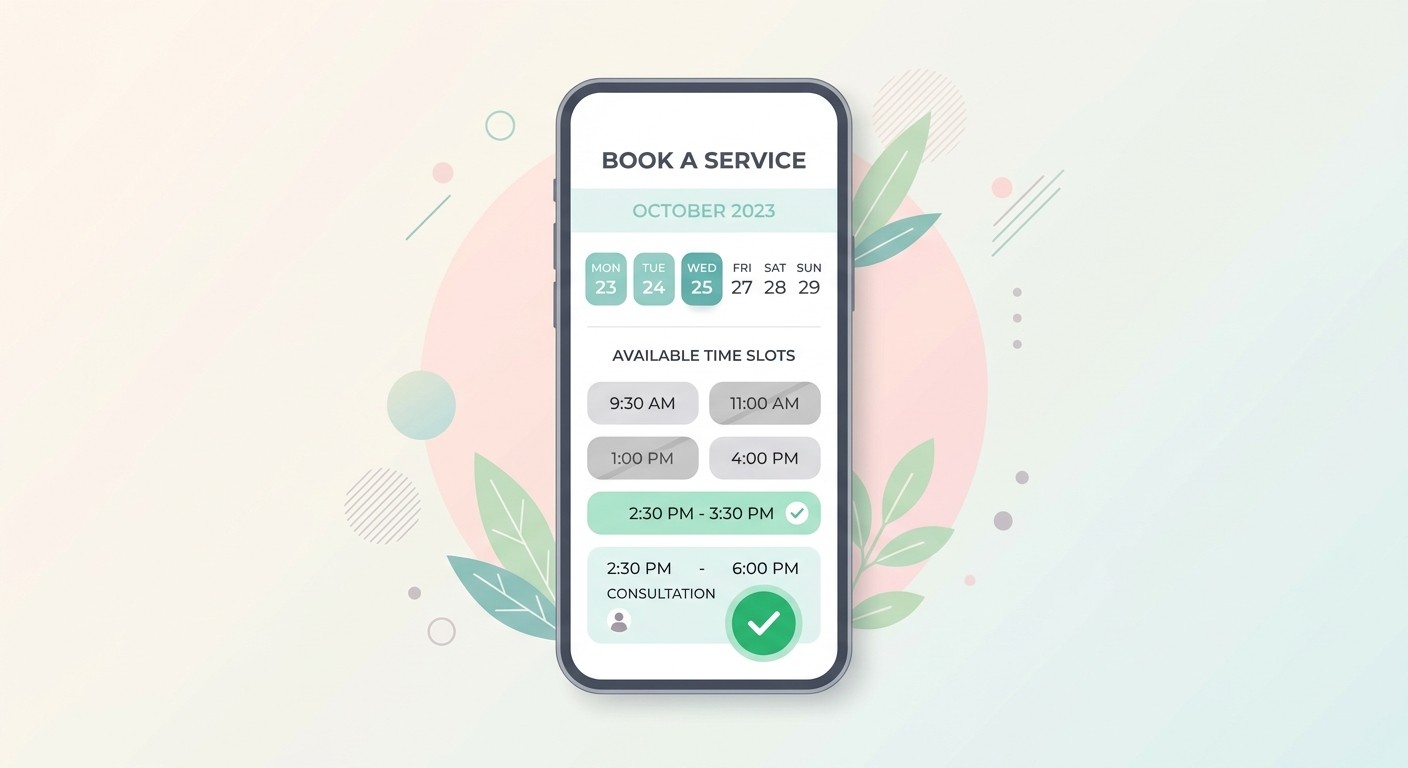
1. Appointment Booking and Scheduling App
A self-service page where customers pick a time, pay a deposit, and get automatic reminders. This is the highest-value idea for any service business: salons, clinics, trainers, consultants, repair shops.
Best for: Anyone who books appointments by phone or DM today.
Why it works in 2026: Self-service booking captures the 40%+ of requests that arrive after hours, and taking a deposit at booking cuts no-shows. Businesses that move scheduling online routinely report double-digit revenue lifts.
Starter prompt: "Build a booking app for my physiotherapy clinic with available time slots, a deposit at checkout, email and SMS reminders, and an admin view of the day's schedule."
2. Customer Loyalty and Rewards App
A digital punch card. Customers collect points or stamps and unlock rewards, all on their phone instead of a paper card they lose.
Best for: Cafes, barbers, nail salons, takeaways, any repeat-visit business.
Why it works in 2026: Repeat customers are far cheaper than new ones, and a loyalty app gives you a direct line to send offers instead of paying for ads.
Starter prompt: "Build a loyalty app where customers earn a stamp per purchase, get a free coffee on the tenth, and I can send a push notification with a weekly offer."
3. Online Ordering and Digital Menu App
A branded ordering page customers reach from a QR code on the table or a link in your bio, no third-party delivery app taking 30% of every order.
Best for: Restaurants, cafes, food trucks, home bakeries.
Why it works in 2026: Owning your ordering channel keeps the commission delivery marketplaces would take and hands you the customer data they keep for themselves.
Starter prompt: "Build an online ordering app for my pizzeria with a menu, customizable toppings, card payment, pickup or delivery, and an order screen for the kitchen."
4. Lightweight CRM for Client Management
A simple system to track leads, log every interaction, and never forget a follow-up. The big CRMs are overkill and overpriced for a five-person team.
Best for: Agencies, freelancers, tradespeople, B2B service providers.
Why it works in 2026: Niche, industry-specific CRMs are one of the most underserved markets. A tool that fits your exact pipeline beats a generic one you fight against daily.
Starter prompt: "Build a CRM for my landscaping business with a lead pipeline, contact history, follow-up reminders, and a dashboard of jobs by stage."
5. Inventory and Stock Tracker
Real-time visibility into what you have, what is running low, and what to reorder, with alerts before you hit zero.
Best for: Retailers, warehouses, makers, anyone selling physical products.
Why it works in 2026: Stockouts and overstocking both bleed cash. A tracker tailored to your products beats a spreadsheet that nobody updates. Our guide on how to build inventory management software walks through the features, reorder math and launch.
Starter prompt: "Build an inventory app where I scan or enter products, track stock levels across two locations, and get a low-stock alert when an item drops below a threshold."
6. Quote, Invoice and Payment App
Turn a job into a professional quote, convert it to an invoice in one tap, and collect payment online, all branded as yours.
Best for: Contractors, consultants, creatives, any quote-then-bill business.
Why it works in 2026: Getting paid faster is the simplest cash-flow fix there is. Online payment links beat "I'll post you an invoice" every time.
Starter prompt: "Build an app that creates branded quotes, converts accepted quotes to invoices, sends a payment link, and shows me what is paid versus outstanding."
7. Membership and Subscription Portal
A members-only area with recurring billing, gated content, and a login. Predictable monthly revenue instead of one-off sales.
Best for: Gyms, coaches, creators, community organizers, niche clubs.
Why it works in 2026: Subscriptions are the most durable revenue model for small businesses. A portal you own keeps the margin a marketplace would skim. An internal version of that idea is worth a look too, since an employee portal application keeps staff data in one place.
Starter prompt: "Build a membership portal with monthly subscription billing, member login, exclusive videos and PDFs, and a member directory."
8. Event Registration and Ticketing App
Sell tickets, manage the guest list, and check people in at the door with a scan, without paying per-ticket fees to a platform.
Best for: Workshop hosts, studios, local venues, community groups.
Why it works in 2026: Ticketing platforms charge a cut of every sale. Your own app keeps that fee and gives you the attendee list to remarket to.
Starter prompt: "Build an event ticketing app that sells tickets, emails a QR code, and lets me scan attendees in at the entrance with a live headcount."
9. Field Service and Job Dispatch App
Assign jobs, route technicians, capture photos and signatures on site, and invoice from the field.
Best for: Plumbers, electricians, cleaners, mobile mechanics, HVAC.
Why it works in 2026: Home-service businesses lose hours to paperwork and phone tag. An app that dispatches and bills in one flow pays for itself fast.
Starter prompt: "Build a field service app where I assign jobs to my team, they see their route, upload before-and-after photos, capture a signature, and generate an invoice on site."
10. Customer Feedback and Review Hub
Collect feedback after every visit, route happy customers to public reviews, and catch unhappy ones privately before they post.
Best for: Any business whose reputation lives on Google and Yelp.
Why it works in 2026: Reviews drive local discovery. A simple feedback loop both improves your service and grows your star rating.
Starter prompt: "Build a feedback app that texts a customer after a visit, asks for a quick rating, sends 5-star ratings to my Google review page, and flags lower ratings to me directly."
11. Local Marketplace or Directory
A two-sided platform connecting local buyers and sellers, or a curated directory of providers in your town or niche.
Best for: Community builders, chambers of commerce, niche enthusiasts.
Why it works in 2026: Hyper-local and niche marketplaces thrive where the big platforms feel generic. Owning the directory in a tight niche is a real moat.
Starter prompt: "Build a directory app where local vendors create listings, customers browse and search by category, and I approve new listings before they go live."
12. Online Course or Training Portal
A lightweight learning platform to sell courses, onboard staff, or train franchisees, with lessons, progress tracking, and quizzes.
Best for: Coaches, consultants, multi-location owners, course creators.
Why it works in 2026: Packaging your expertise into a course turns knowledge into a product that sells while you sleep, or standardizes how you train a growing team.
Starter prompt: "Build a course app with video lessons grouped into modules, a progress bar, an end-of-module quiz, and a certificate on completion."
13. AI Customer Support Assistant
A chat widget trained on your FAQs that answers customers instantly and hands off to you only when it needs to.
Best for: Online stores and any business drowning in repetitive questions.
Why it works in 2026: AI is the core of new apps, not a bolt-on. An assistant that resolves "where's my order?" frees you to handle the questions that actually need a human.
Starter prompt: "Build a support app with an AI chat widget trained on my shipping, returns, and product FAQs that escalates to email when it cannot answer."
14. Staff Scheduling and Team Dashboard
Build the weekly rota, let staff swap shifts and request time off, and give everyone one place to see who works when.
Best for: Shops, restaurants, clinics, any team with shift workers.
Why it works in 2026: Scheduling by group chat is chaos. A dedicated tool cuts the back-and-forth and the no-shows from missed shifts.
Starter prompt: "Build a staff scheduling app where I post a weekly rota, employees see their shifts, request swaps and time off, and I approve from my phone."
15. Rental and Resource Booking App
Let customers reserve equipment, rooms, or vehicles by the hour or day, with availability, deposits, and return tracking.
Best for: Equipment hire, co-working spaces, studios, tour and activity operators.
Why it works in 2026: Resource-heavy businesses need live availability so two customers never book the same thing. A tailored booking engine prevents the double-booking that generic calendars allow.
Starter prompt: "Build a rental app where customers see what is available by date, reserve a item, pay a deposit, and I track returns and damage."
Web App Idea Comparison Table
Web App Idea | Best For | Core Job |
|---|---|---|
Booking & scheduling | Service businesses | Fill the calendar 24/7 |
Loyalty & rewards | Repeat-visit shops | Bring customers back |
Online ordering | Food businesses | Skip delivery commissions |
Lightweight CRM | Agencies, freelancers | Never drop a lead |
Inventory tracker | Product sellers | Stop stockouts |
Quote & invoice | Contractors | Get paid faster |
Membership portal | Coaches, creators | Recurring revenue |
Event ticketing | Hosts, venues | Sell & check in |
Field service | Home services | Dispatch & bill |
Feedback hub | Local businesses | Grow reviews |
Local directory | Community builders | Connect a niche |
Course portal | Experts, trainers | Sell knowledge |
AI support assistant | Online stores | Answer instantly |
Staff scheduling | Shift teams | Organize the rota |
Rental booking | Hire businesses | Manage availability |
How to Pick the Right Idea
Do not try to build all 15. The fastest path to a useful app is to pick the single workflow that wastes the most of your time right now and build that one well.
Ask yourself three questions. What task do I or my staff repeat every day? Where do customers drop off or get frustrated? And what am I paying a monthly fee for that does not quite fit? The answer points to your first app.
Start narrow, ship it, and let real customer feedback guide what you add next. Many of these ideas pair naturally, a booking app gains a loyalty feature, a CRM grows an invoice screen, so you can layer on capability over time. If you want a wider view of what else can automate your operations, see our roundup of AI tools for small business owners, and if you are weighing builders, compare the best mobile app creators for 2026.
Frequently Asked Questions
Do I need to know how to code to build these web apps?
No. With CatDoes you describe the app in plain English and an AI agent writes the code, sets up the database and login, and deploys it. The database, authentication, and storage are handled by CatDoes Cloud, so there is nothing technical for you to configure.
How much does it cost to build a web app for my small business?
A hired developer or agency typically costs thousands of dollars and months of work. With an AI builder, you can start free and deploy to the web, with paid plans beginning at $20 per month when you are ready to publish to the App Store and Google Play. Always check current pricing before you commit.
What is the difference between a web app and a mobile app?
A web app runs in a browser with nothing to install, so customers open it from a link on any device. A mobile app is downloaded from the App Store or Google Play and lives on the home screen. CatDoes can ship the same project to both, so you can launch on the web first and add the app stores later.
How long does it take to build one of these apps?
A working first version of most ideas on this list can be built in an afternoon. You describe it, the agent builds it, and you refine it by asking for changes in plain English. Polishing and publishing to the stores takes a little longer, but you can test with real customers the same day.
Which web app idea should a small business build first?
Build the one that fixes your biggest daily time sink. For most service businesses that is a booking and scheduling app, because it captures after-hours demand and cuts no-shows. For product sellers it is usually inventory or online ordering.
The Bottom Line
The web app ideas that pay off in 2026 are not the ones with the longest feature lists. They are the focused tools that solve one real problem for a specific business, a booking page, a loyalty card, an inventory tracker, that you can launch before it feels finished and improve with every customer.
The barrier that used to stop small businesses from building custom software is gone. You do not need a developer, a budget, or a technical background. You need a clear idea and a description. Pick the one workflow costing you the most time, open CatDoes, and describe it. You could be testing a real app with customers by the end of the day.
Nafis Amiri
Co-Founder of CatDoes


