Blog
News
Free Trial vs Pay Upfront for Mobile Apps in 2026
Free trial vs pay upfront for your mobile app? Compare 2026 conversion, revenue, and retention benchmarks to pick the subscription model that wins.

Nafis Amiri
Co-Founder of CatDoes

TL;DR: A free trial lets people use your app before they pay. Paying upfront (a hard paywall) makes them commit before they get in. In 2026 benchmark data from RevenueCat, hard-paywall apps convert about 5x more installs to paid and earn roughly 8x more revenue per install than free access, while one-year retention stays nearly identical (27% vs 28%). But free trials still win for apps whose value only becomes obvious after a few days of use. The right choice depends on your category, your price, and how fast users feel the payoff. The safest move is to build both flows and A/B test them.
Every subscription app faces the same fork in the road: do you let people in for free and hope they convert later, or do you ask for payment upfront? Pick wrong and you either fill your app with users who never pay, or scare away the ones who would have. This guide breaks down what the 2026 data actually says about free trials versus paying upfront, so you can choose the model that fits your app instead of copying whatever your competitor did.
Table of Contents
The short answer: free trial vs pay upfront
Free trial, freemium, and pay upfront explained
What the data says about conversion and revenue
Does charging upfront hurt retention?
Should your free trial require a credit card?
How long should a free trial be?
Which model fits your app?
How to choose and test your model
Frequently asked questions
The short answer: free trial vs pay upfront
If you want raw revenue per download and you can clearly promise what users get, a hard paywall (pay upfront) usually wins. If your app's value only clicks after someone uses it for a few days, a free trial usually wins. Here is how the two stack up on the numbers that matter, using RevenueCat's State of Subscription Apps 2026 benchmarks.
Factor (2026 benchmarks) | Free access first (freemium / free trial) | Pay upfront (hard paywall) |
|---|---|---|
Day-35 download-to-paid | 2.1% | 10.7% |
Revenue per install (Day 60) | $0.38 | $3.09 |
1-year retention | 28% | 27% |
Refund rate | 3.4% | 5.8% |
Top of funnel (installs who engage) | Wide | Narrow |
Best for | Value felt only after use | Clear, promised value |
The gap looks huge, but revenue per install is not the whole story. A wider free funnel can be worth more if free users refer friends, leave reviews, or upgrade months later. Keep reading for where each model actually pays off.
Free trial, freemium, and pay upfront explained
These terms get mixed up constantly, so let's define them before comparing numbers. There are really three ways to handle the moment you ask for money.
Free trial
Users get full access for a set period (often 3 to 14 days), then the subscription starts unless they cancel. A trial can be "opt-in" (no card needed to start) or "opt-out" (a card is required upfront and billing begins automatically). Free trials are the default on the App Store and Google Play, and Apple's introductory offers include a $0 free trial as one of three built-in options.
Freemium
The app is free forever with a limited feature set, and users pay to unlock more. This is the widest funnel of all: more people get in, but far fewer pay. It is really a "try before you buy" model with no time limit.
Pay upfront (hard paywall)
Users hit a paywall as soon as they open the app and must subscribe (or start a card-required trial) before they can use it. Apple's other two introductory offers, "pay as you go" and "pay up front," both charge a discounted price immediately instead of giving a free window. This model asks for commitment first and access second.
The real decision is not "trial or no trial." It is how much of your app you let people experience before you ask for a commitment.
What the data says about conversion and revenue
Paying upfront converts more of the people who see it, and it earns more per install. That is the clearest finding in the 2026 subscription data.
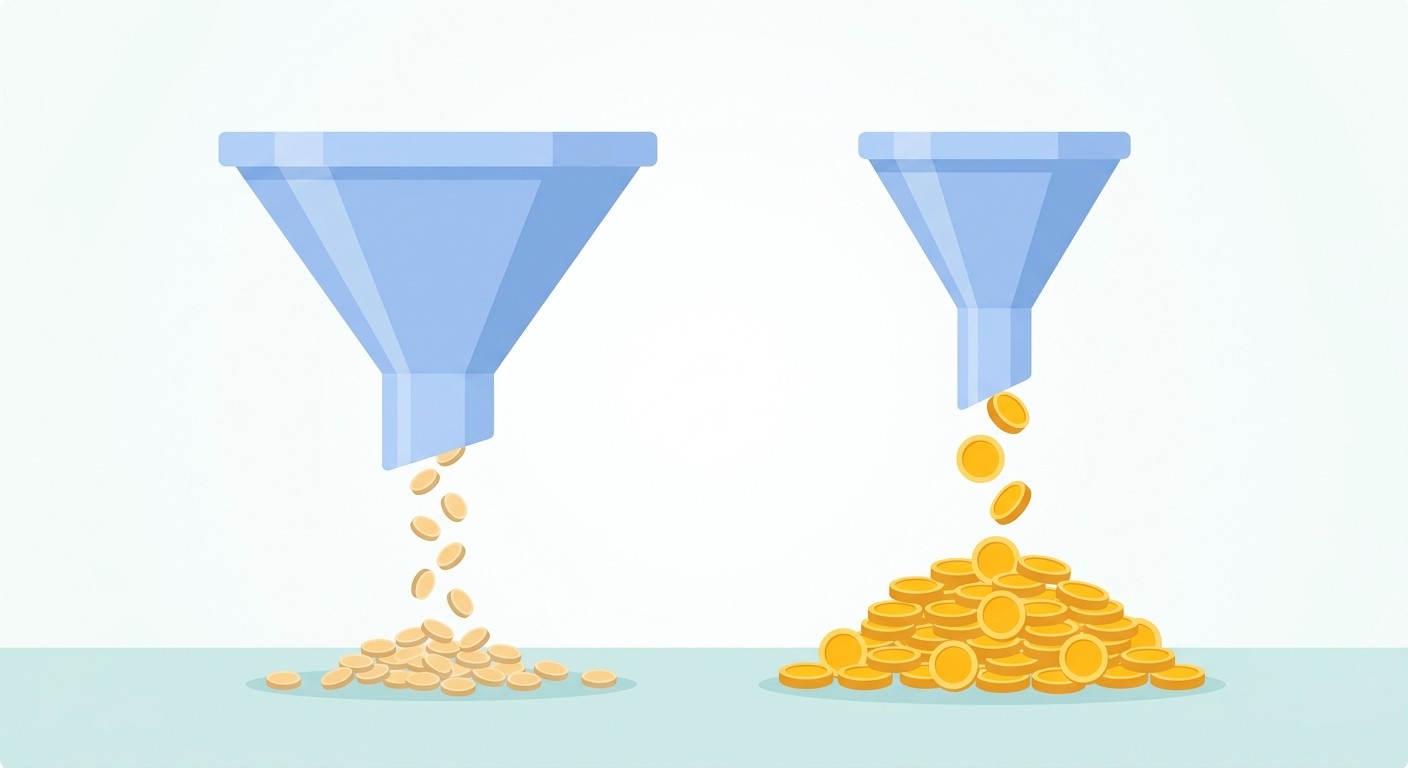
RevenueCat's State of Subscription Apps 2026, built on 115,000+ apps and over $16B in tracked revenue, found that hard-paywall apps hit a Day-35 conversion of 10.7% versus 2.1% for freemium apps, roughly a 5x difference. On revenue per install at Day 60, hard paywalls earned $3.09 against $0.38 for freemium, about 8x more. Across all categories, apps shifted toward non-trial and hard-paywall strategies by roughly 14% from 2024 to 2026.
There is a catch that the headline numbers hide: a hard paywall converts a bigger slice of a much smaller group. In the median subscription app, about 94% of installs never even start a trial, and of the ~6% who do, most still don't subscribe (RevenueCat / Business of Apps, 2026). Adapty's 2026 report, covering 16,000+ apps, puts the median install-to-trial rate at 11.2% and trial-to-paid at 27.8%. So a "higher conversion rate" often means you are converting fewer, higher-intent people, not more people overall.
Context for the stakes: consumers spent about $167B in the app stores in 2025 (Sensor Tower), and subscriptions alone accounted for roughly $79.5B of that (Business of Apps). Getting the model right is not a rounding error.
Does charging upfront hurt retention?
No, and this surprises most founders. The fear is that people forced to pay upfront will churn faster than people who tried the app free. The data does not back that up.
RevenueCat's 2026 benchmarks put one-year retention at 27% for hard-paywall apps and 28% for freemium, essentially a tie. Charging upfront filters for intent without costing you long-term loyalty. The tradeoff shows up elsewhere: refund rates run higher on hard paywalls (5.8% vs 3.4%), because some users buy before they are sure.
Free trials do lift retention, but the comparison is against direct buyers of the same freemium app, not against hard paywalls. Adapty found trial users retain 8% to 60% better at first renewal than users who subscribed with no trial, with the biggest gains on weekly plans. So a trial can make your freemium funnel stickier, but it won't beat a hard paywall on pure revenue per install.
Should your free trial require a credit card?
This is the highest-leverage decision inside the free-trial choice, and it is a genuine tradeoff. Requiring a card upfront (opt-out) converts a far higher share of trial-starters, but far fewer people start the trial in the first place.
Analysis of trial models (Adapty, drawing on FirstPageSage data across 86 companies, so treat it as directional for pure mobile) shows the split clearly:
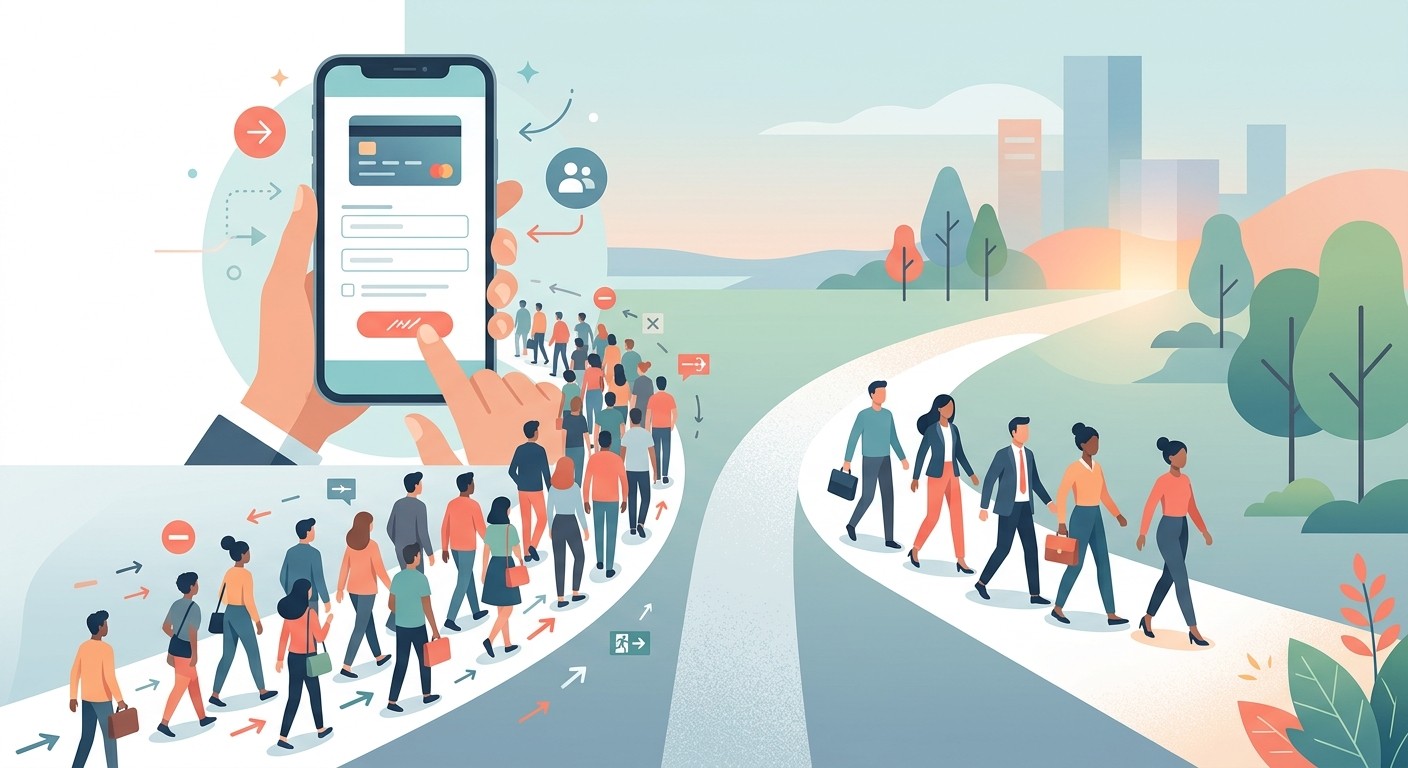
Opt-in (no card): about 8.5% of visitors start the trial, and 18.2% of those convert to paid.
Opt-out (card required): only 2.5% start the trial, but 48.8% of them convert.
Freemium (no trial): 13.3% engage, but just 2.6% ever pay.
Do the math on the full funnel and the "obvious" winner isn't obvious: opt-out converts nearly 3x the rate of opt-in, yet opt-in attracts 3 to 4x more trial-starters, so net paying users per visitor land close together. Card-required trials also backfire in markets with low card penetration, where the card wall blocks trials instead of filtering intent. If you want volume and reviews, go card-free. If you want high-intent subscribers and cleaner revenue, require the card.
How long should a free trial be?
Longer trials convert better, but shorter trials get you a payment signal faster. That tension is the core of the length decision.
RevenueCat's 2026 data on trial-to-paid conversion by length is clear:
Trial length | Trial-to-paid conversion |
|---|---|
Under 4 days | 25.5% |
5 to 9 days | 37.4% |
10 to 16 days | 35.4% |
17 to 32 days | 42.5% |
Trials in the 17-to-32-day range convert about 70% better than trials under 4 days. Yet 46.5% of apps now use trials of 4 days or shorter, up from 42.1% a year earlier. Why? Paid user acquisition needs a fast conversion signal to optimize ad spend, and short trials return that signal within days.
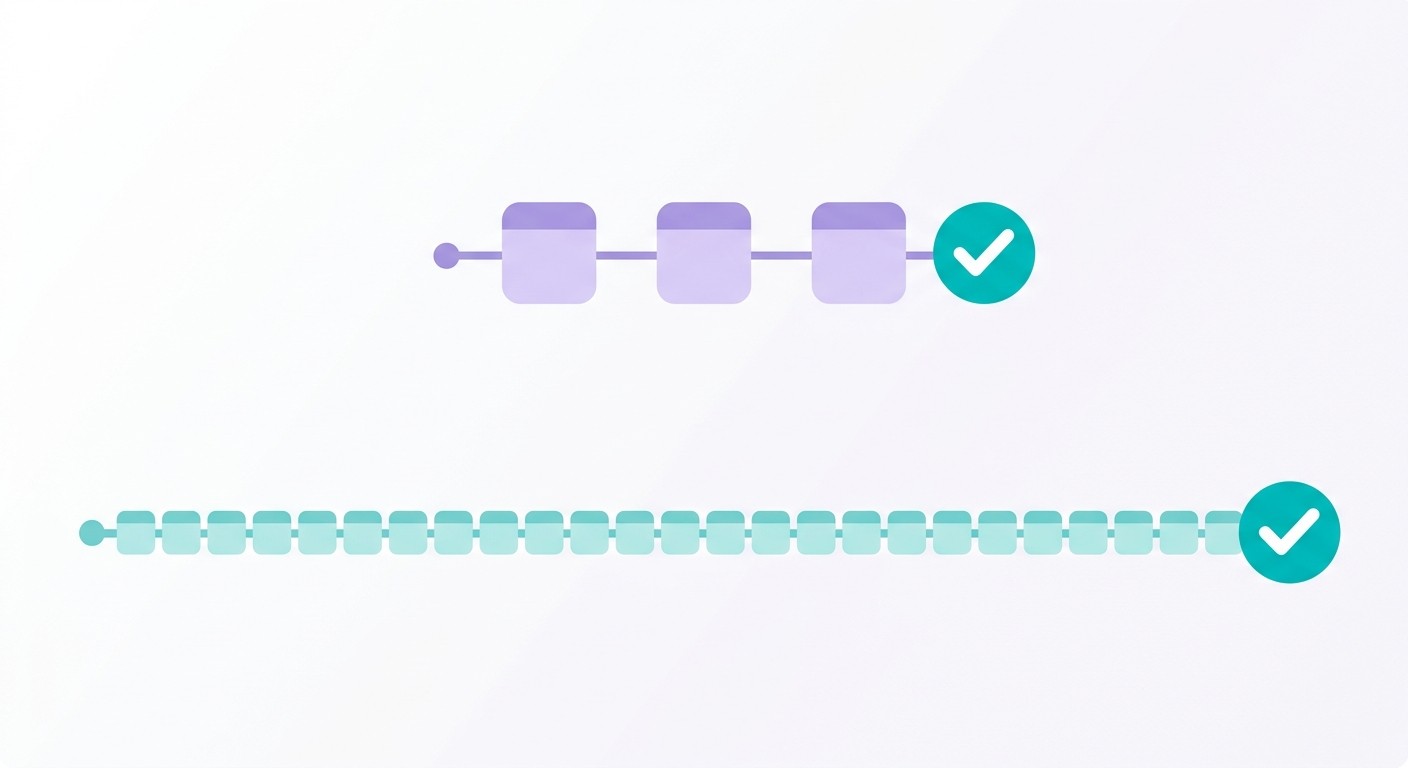
Length also interacts with timing. About 82% of trials start the same day as install, and roughly half of all paid conversions happen on Day 0. Short 3-day trials see the most Day-0 cancellations (around 55%), because users decide almost immediately. If your app delivers an obvious "aha" in the first session, a short trial can work. If your value builds over a week or two, give people the runway.
Which model fits your app?
There is no universal winner. The best model tracks how quickly your app proves its worth and what category you are in. RevenueCat's category data for trial-to-paid shows the spread:
Category | Trial-to-paid (median) |
|---|---|
Travel | 48.7% |
Media & Entertainment | 43.8% |
Health & Fitness | 39.9% |
Gaming | 1% to 2% |
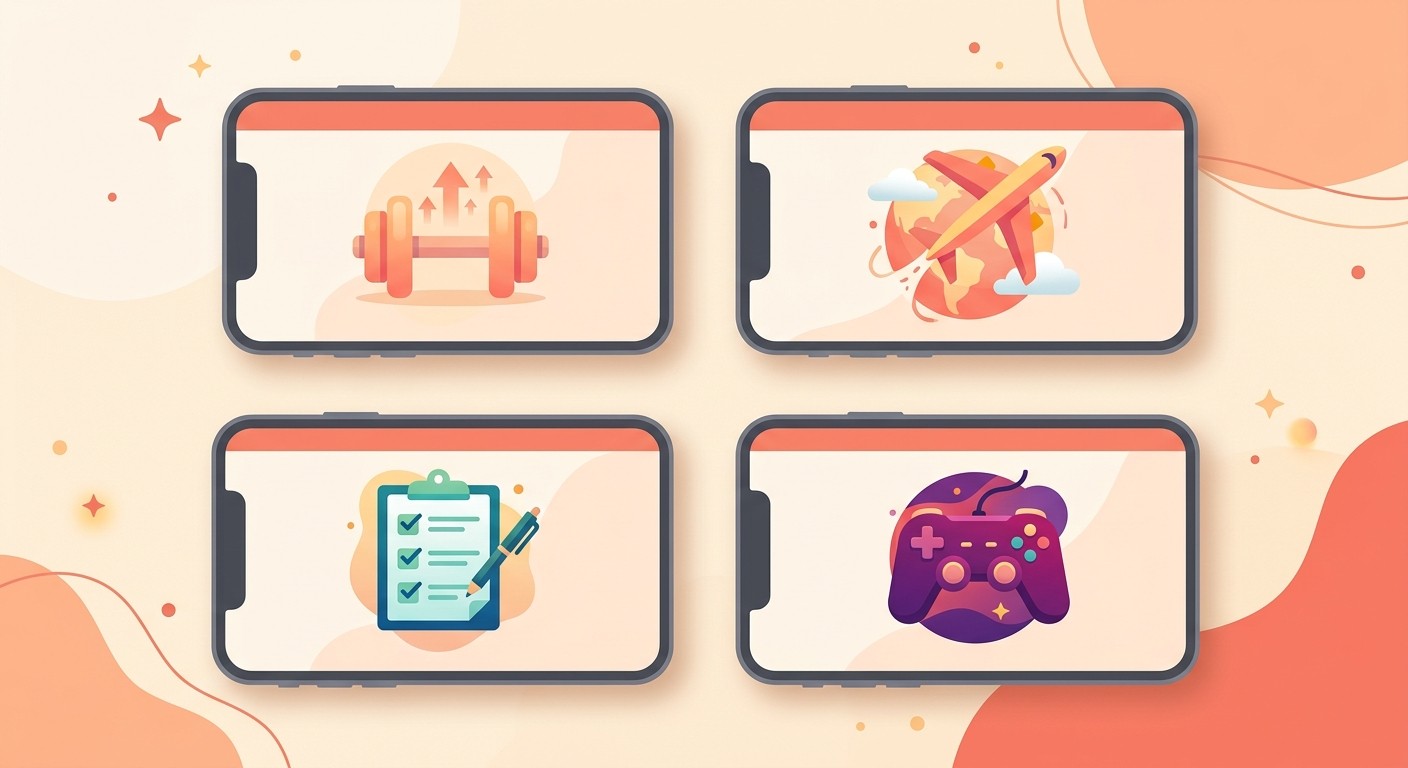
Adapty's 2026 report adds the sharpest "it depends" data point: some categories earn more lifetime value with a trial, others earn more from a direct purchase. Utilities, Health, and Education tend to see higher lifetime value with a trial. Productivity and Lifestyle apps often earn more from a direct sale (Adapty measured Productivity lifetime value at $49.13 with a trial versus $56.95 buying direct). Platform matters too: iOS converts trials roughly 3x better than Android and drives about 85% of subscription revenue.
A simple way to read it:
Value is obvious fast (utilities, photo editors, scanners): a short free trial or hard paywall both work; the paywall captures more revenue.
Value builds over time (fitness, learning, habit apps): a longer free trial lets the habit form before you charge.
Impulse or content (entertainment, casual games): expect low trial conversion; lean on volume, ads, or mixed monetization.
If you are still mapping out how your app will make money in the first place, start with our guide to mobile app monetization strategies, then come back to pick a subscription model.
How to choose and test your model
You don't have to guess. Every major finding above ends with the same advice from both RevenueCat and Adapty: A/B test it on your own users. Here is a practical way to decide and validate.
Step 1: Score your "time to value." If a new user feels the benefit in the first session, a hard paywall is on the table. If it takes days, start with a free trial.
Step 2: Match the trial to your value curve. Instant value, short trial (3 to 7 days). Habit-forming value, longer trial (14 to 30 days).
Step 3: Decide on the card. Want scale and reviews, go opt-in. Want high-intent revenue, go opt-out.
Step 4: Ship both and split traffic. Run the free-trial flow against the pay-upfront flow at the same time and compare revenue per install at Day 60, not just conversion rate.
Step 5: Watch refunds and retention, not only the sign-up number. A model that converts well but refunds at 6% may net less than a lower-converting, stickier one.
The blocker for most people is that building two paywall flows, wiring up subscriptions, and shipping to both app stores usually takes weeks of engineering. It doesn't have to. With CatDoes, you describe the app you want and the AI agent builds it, including the subscription flows and the backend that powers them, then deploys to the App Store and Google Play. You can spin up a free-trial version and a pay-upfront version, test both, and keep the winner, without hiring a mobile team. If you're weighing the plumbing behind it all, our guide on how to monetize an app covers the moving parts.
Frequently asked questions
Is a free trial or paying upfront better for a mobile app?
Paying upfront (a hard paywall) usually earns more revenue per install, about 8x more at Day 60 in RevenueCat's 2026 data, and converts roughly 5x more of the people who see it. Free trials win when your app's value is only clear after a few days of use, because they let people experience the benefit before committing. One-year retention is nearly identical for both (27% vs 28%), so the choice comes down to your category and how fast users feel the payoff.
Do free trials increase subscription revenue?
They can, but not always. Free trials widen the top of your funnel and improve retention among users who convert (8% to 60% better at first renewal than direct buyers, per Adapty). But because far fewer trial users pay, revenue per install is often lower than a hard paywall. Free trials increase revenue most for apps whose value builds over time.
Should my free trial require a credit card?
Requiring a card (opt-out) converts a much higher share of trial-starters, around 48.8% versus 18.2% for no-card trials, but far fewer people start the trial. Net paying users per visitor end up similar, so choose based on your goal: no card for volume, reviews, and word of mouth; card required for higher-intent subscribers and cleaner revenue. Avoid card walls in markets with low card penetration.
What is the best free trial length for an app?
Trials of 17 to 32 days convert best (about 42.5% trial-to-paid), roughly 70% better than trials under 4 days. But short trials return a payment signal faster, which matters for paid ad optimization, which is why 46.5% of apps now use trials of 4 days or less. Match the length to your value curve: short for instant-value apps, longer for habit-forming ones.
What is a hard paywall?
A hard paywall shows up the moment a user opens the app and requires them to subscribe (or start a card-required trial) before they can use any of it. It is the "pay upfront" model. It converts and monetizes better per install than free access, at the cost of a narrower funnel and slightly higher refund rates.
Nafis Amiri
Co-Founder of CatDoes