Blog
Tutorials
How to Make Money Building Websites in 2026
Learn how to make money building websites in 2026. Find local businesses on Google Maps, build sites with AI, and earn recurring income. No coding needed.

Nafis Amiri
Co-Founder of CatDoes

Building websites used to require years of coding, a design degree, or an expensive agency. None of that is true anymore. An AI agent can now build a real, deployed website from a plain-English description, which means the skill barrier that kept most people out of the web business is gone. What's left is the part that actually pays: finding people who need a website and delivering one fast.
This guide breaks down exactly how to make money building websites in 2026, from the beginner-friendly local-business angle to recurring revenue that pays you every month. The thread running through all of it is using an AI website builder like CatDoes to do the technical work so you can focus on selling and serving clients.
Table of Contents
Can You Actually Make Money Building Websites?
The Beginner Goldmine: Websites for Local Businesses
How to Find Local Businesses That Need a Website
How to Build the Website with CatDoes
How to Sell It and What to Charge
6 Proven Ways to Make Money Building Websites
How Much Can You Realistically Earn?
How to Land Your First Paying Client
Frequently Asked Questions
Start Building Websites People Will Pay For
Can You Actually Make Money Building Websites?
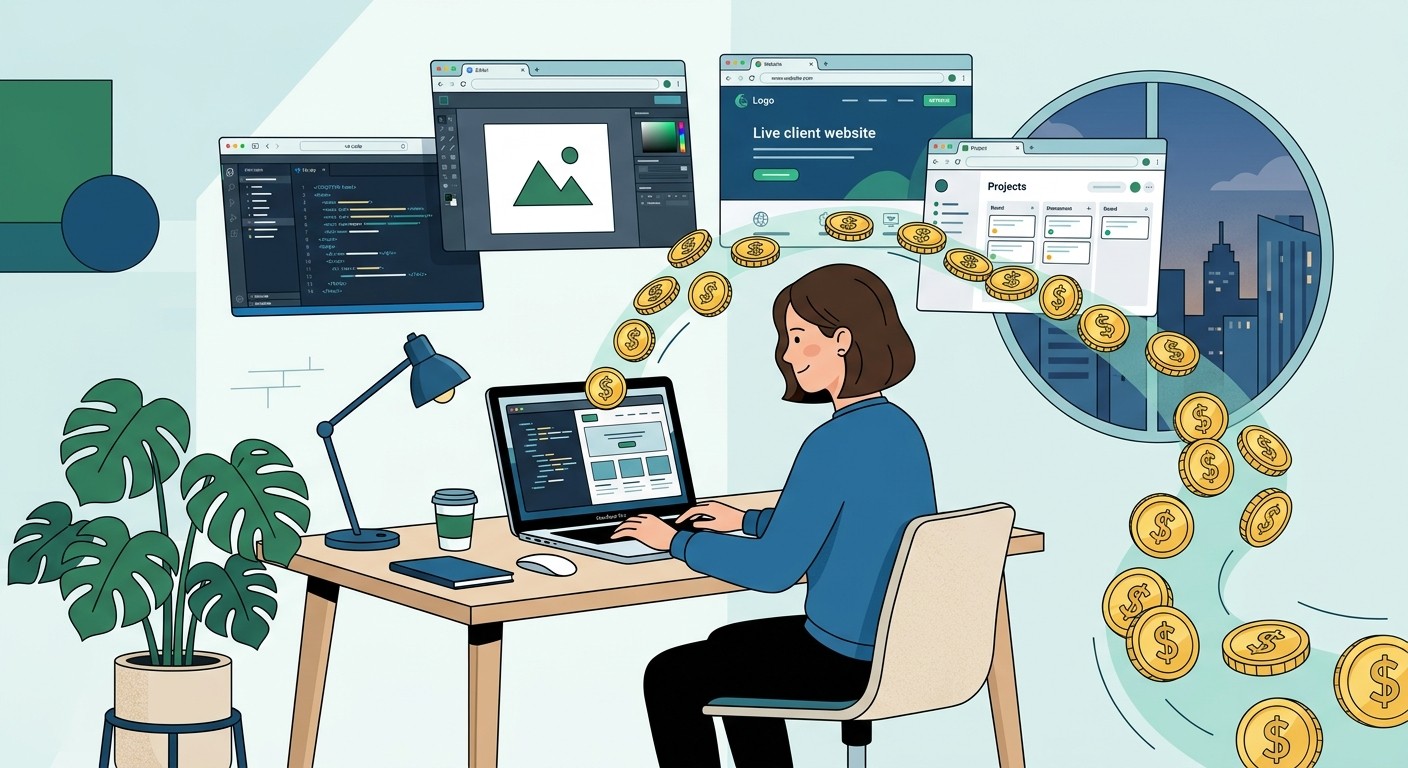
Yes, and the demand is bigger than most people assume. There are 36.2 million small businesses in the United States alone, and depending on the survey, somewhere between 17% and 27% of them still don't have a website. That is millions of paying customers who already run a business and know they need to be online but haven't gotten there yet.
The market reflects it. The US web design services industry was worth roughly $47.4 billion in 2025, and the global web design market is projected to grow from about $61 billion in 2025 to over $92 billion by 2030. People pay for websites every day. The only question is who builds them.
What changed is the cost of entry. No-code and AI tools can cut build time by up to 90%, so a single person with no formal training can now deliver work that used to take a team. You are not competing on who can hand-code faster. You are competing on who can find the client and ship something that makes their business look credible.
The Beginner Goldmine: Websites for Local Businesses
If you are starting from zero, local businesses are the easiest money in web design. A plumber, landscaper, dentist, cafe, or cleaning company with no website is an obvious, motivated buyer. There is no incumbent site to argue against, the need is real, and roughly 31% of shoppers say they have avoided a small business specifically because it had no website.
Better still, these clients tend to stick around. They don't want to learn web design, they want it handled. That opens the door to the most valuable thing in this business: a recurring monthly fee for hosting and maintenance, which we cover below.
How to Find Local Businesses That Need a Website
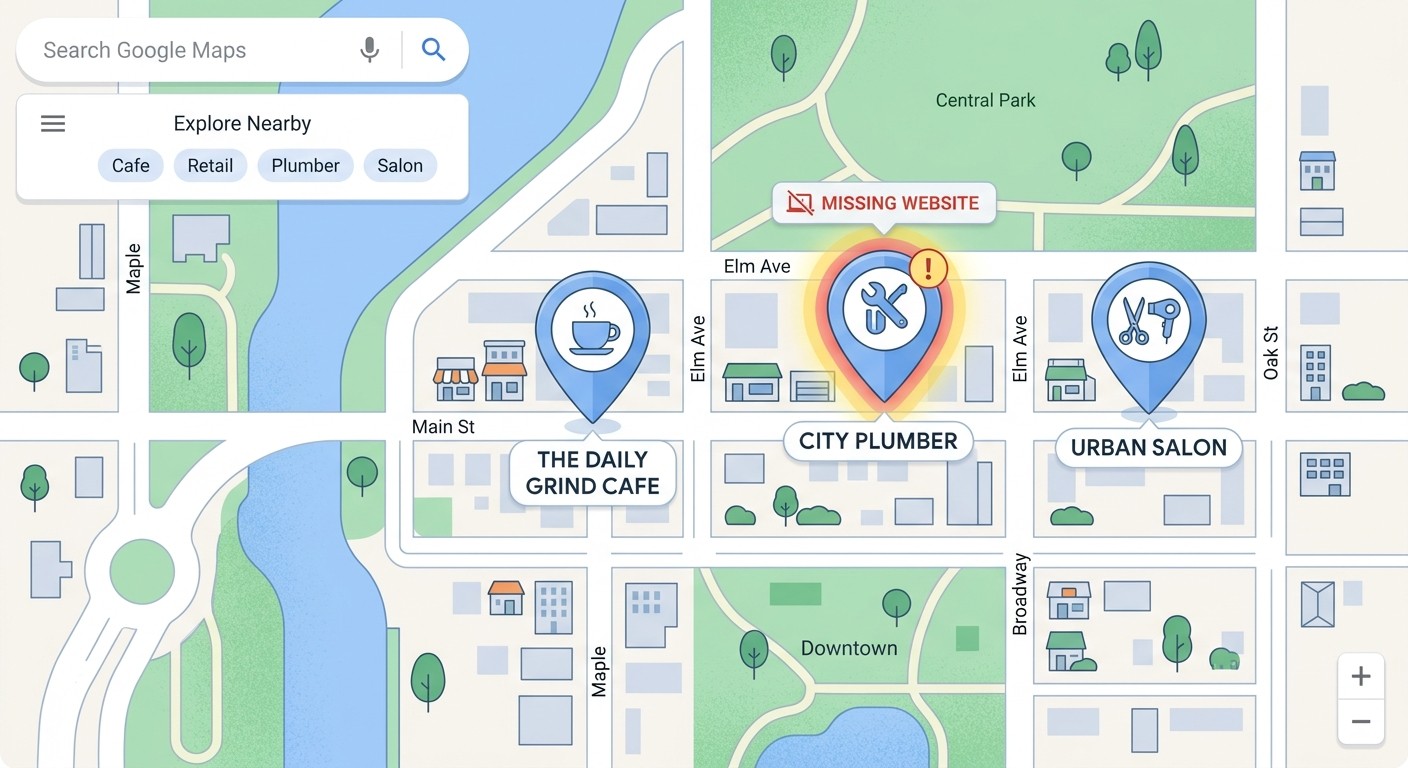
Google Maps is your prospect list. Here is the simple version of the method:
Open Google Maps and search a service plus a location, for example "plumbers in Austin" or "salons near me."
Click each business. If the listing has no "Website" button, that business is a lead. Their Google Business Profile is live but they have nowhere to send customers.
Prioritize businesses with 20+ reviews and recent activity. Reviews mean real revenue, which means budget.
Note the ones with an outdated or broken site too. A bad website is often an easier sell than no website, because the owner already knows it's a problem.
You can do this manually in an afternoon and build a list of 50 to 100 prospects. Tools like Outscraper, Apify, and similar Google Maps scrapers can pull "no website" leads in bulk if you want to scale, but you do not need them to start.
How to Build the Website with CatDoes
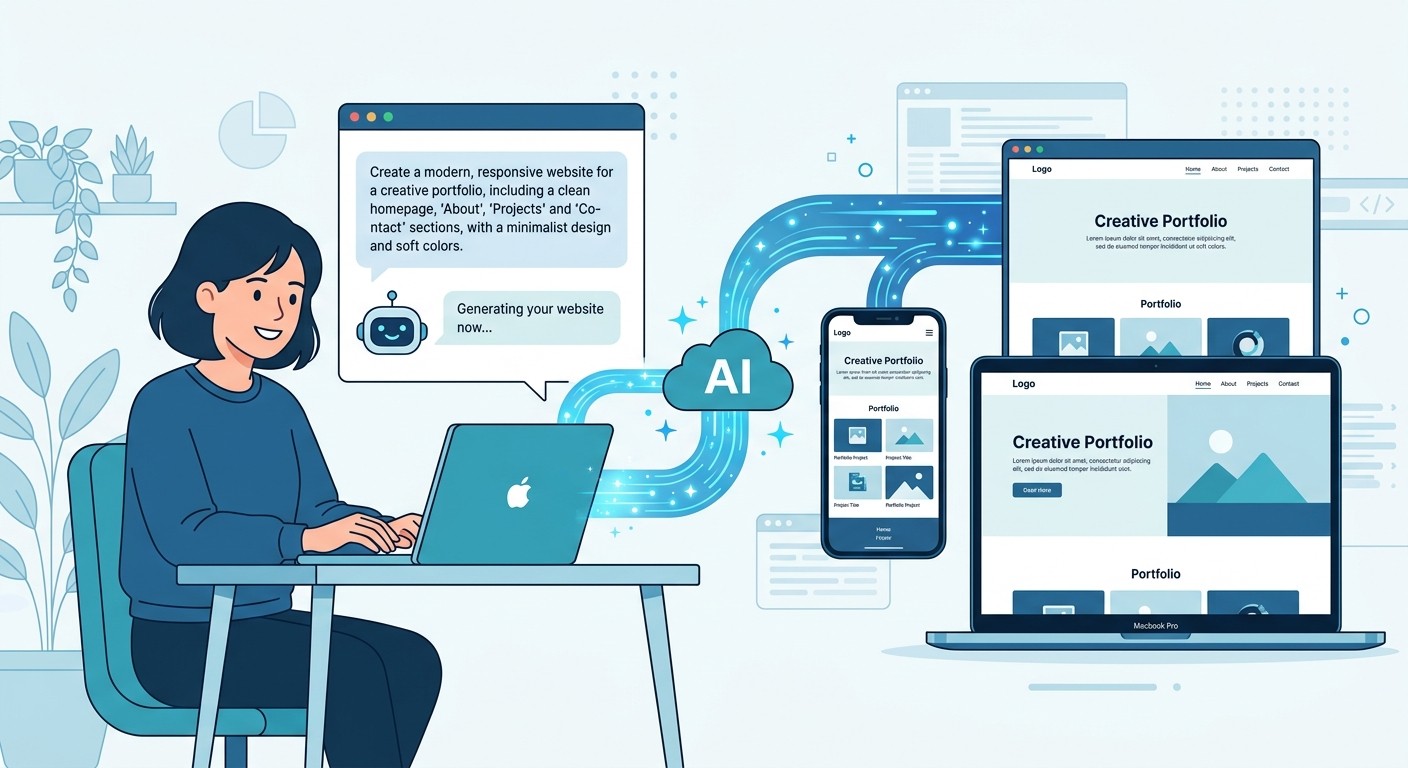
This is the part that used to stop people. Now it's the easy part. With CatDoes, you describe the website you want in plain language and the AI agent builds and deploys it for you, including a custom domain. There is no template wrestling, no hosting setup, and no code unless you want it.
A repeatable workflow for a local-business site looks like this:
Gather the basics: the business name, services, hours, location, photos, and a few reviews from their Google profile.
Prompt the build: tell CatDoes to build a clean, mobile-first website for the business with a hero section, services, an about section, reviews, and a contact form with a click-to-call button.
Refine in plain English: ask for color changes, new sections, or copy tweaks until it matches the brand.
Deploy: publish it on a real domain so you have a live link to show the owner.
Because CatDoes Cloud handles hosting, database, forms, and auth on every plan, you are not stitching together five services to deliver one site. That speed is your margin. If a client later asks for a mobile app to go with the site, you can deliver that too, since CatDoes can turn the same website into a native iOS and Android app.
How to Sell It and What to Charge
The highest-converting approach for local outreach is the demo-first method: build a rough version of the site before you reach out, then send a short message with a live link. "I built a free preview of a new website for [business] — here's the link. Want me to finish it and put it on your domain?" beats any cold pitch, because the owner can see the result instead of imagining it.
On pricing, here is what the market actually pays in 2025 and 2026:
Deliverable | Typical Price |
|---|---|
3-4 page brochure site | $1,000 - $2,500 |
5+ page small business site | $2,500 - $4,500 |
Average professional small-biz site | ~$4,500 |
Monthly care plan (hosting + updates) | $199 - $599/mo |
A realistic beginner offer: $1,500 for the build plus $99 to $199 per month for hosting, updates, and small changes. Land five of those care plans and you have steady recurring income before you have even closed your tenth client.
6 Proven Ways to Make Money Building Websites
Local-business sites are the on-ramp. Once you can build and deploy quickly, the same skill unlocks several income models. Here are six, from fastest cash to most passive.
1. Local business websites
Covered above and the best starting point. Clear demand, motivated buyers, $1,000 to $4,500 per project, and a natural path to monthly recurring revenue. Lowest competition because most agencies ignore small local clients.
2. Freelance web design
Take client work through Upwork, Fiverr, or referrals. Rates vary widely: marketplace medians sit around $21 to $30 per hour, while Fiverr packages run $350 to $5,000 and experienced freelancers charge $75 to $150 per hour. The downside of marketplaces is price competition, so use them to build a portfolio and then move clients to direct, higher-value work.
3. Productized services and templates
Instead of custom-quoting every job, sell a fixed offer like "a 5-page business website in 5 days for $1,500." Fixed scope and fixed price make selling and delivery faster. You can also build website templates once and sell them repeatedly on marketplaces; template sellers regularly report four to five figures a month from a catalog that keeps selling while they sleep.
4. Website flipping
Build a site, grow its traffic or revenue, then sell it as an asset on marketplaces like Flippa or Empire Flippers. Sites typically sell for 30 to 40 times their monthly net profit (SaaS can fetch 40 to 60x). A site earning $500 a month can sell for $15,000 to $20,000. It is a longer game and depends on building real, verifiable revenue first, but the lump-sum exits are large.
5. Affiliate and ad-supported content sites
Build a niche content site and earn from display ads and affiliate commissions instead of clients. Ad revenue scales with traffic: AdSense pays roughly $3 to $10 per thousand views, while premium networks like Mediavine pay $15 to $40+ once you hit 50,000 sessions a month. This is the most passive model but also the slowest, often taking many months to reach meaningful income, and it is exposed to Google algorithm swings.
6. Recurring care plans (the real money)
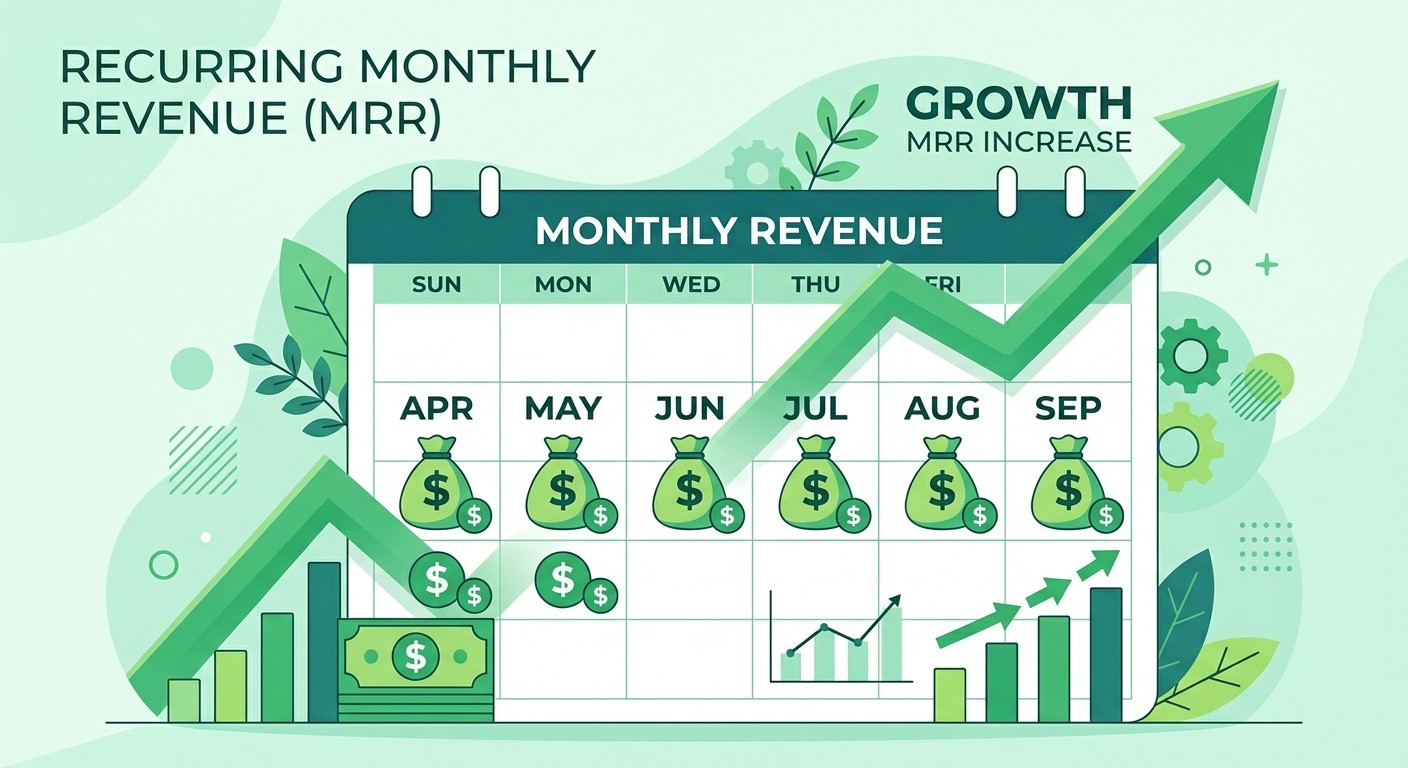
This is where website builders go from earning project income to building a business. A care plan is a flat monthly fee for hosting, updates, backups, security, and small changes. Typical SMB plans run $199 to $599 a month, and freelancers who offer them report 25% to 40% higher client retention. The math is what makes it powerful: twenty clients on a $200 plan is $4,000 a month in predictable revenue, on top of every new build you sell.
How Much Can You Realistically Earn?
Earnings depend on the model you choose and how much you sell. Here is a realistic snapshot based on 2025-2026 market rates:
Model | Realistic Income | Time to First Dollar |
|---|---|---|
Local business sites | $1,000 - $4,500 per project | Days to weeks |
Freelance web design | $21 - $150 per hour | Days to weeks |
Productized / templates | $250 - $3,000 per sale | Weeks |
Website flipping | 30 - 40x monthly profit at exit | Months |
Affiliate / ad sites | $3 - $40+ per 1,000 views | Months to a year |
Recurring care plans | $199 - $599 per client / month | After first build |
The smartest play combines them. Sell builds to local businesses for upfront cash, attach a care plan for recurring revenue, and use a productized offer to make selling repeatable. That stack is realistic for one person using an AI builder to handle delivery.
How to Land Your First Paying Client
Build before you pitch. A live preview of someone's actual business closes far better than a cold message.
Start in your own backyard. Reach out to local businesses you already know or use. Trust is half the sale.
Lead with their problem, not your tools. Owners care about getting more customers, not about how the site was built.
Always offer a care plan. Frame it as "I keep your site fast, secure, and up to date" so recurring revenue is the default, not an upsell.
Show, don't tell. A two-minute screen recording of the live site beats a paragraph of promises.
Want to add mobile apps to your service menu? A capable no-code app builder lets you deliver native apps for clients alongside their websites, without hiring a developer.
Frequently Asked Questions
Do I need to know how to code to make money building websites?
No. With an AI website builder like CatDoes you describe what you want in plain language and the agent builds and deploys it. Your value is finding clients and delivering a polished result, not writing code by hand.
How do I find businesses that need a website?
Search Google Maps for a service plus a location and look for listings with no "Website" button. Those businesses have a live Google profile but nowhere to send customers, which makes them ideal leads.
How much should a beginner charge?
A safe starting offer is around $1,500 for a small business site plus $99 to $199 per month for hosting and maintenance. Raise prices as your portfolio grows.
What is the most reliable way to earn recurring income?
Monthly care plans. Charging a flat fee for hosting, updates, and small changes turns one-time projects into predictable monthly revenue and dramatically improves client retention.
How fast can I make my first sale?
If you build a free preview first and pitch local businesses you already know, the first paid project can happen within days to a couple of weeks.
Start Building Websites People Will Pay For
Making money building websites is no longer about how well you code. It's about finding businesses that need to be online and delivering something that makes them look credible, fast. The clients are already out there on Google Maps, and the price they pay hasn't dropped just because the work got easier for you.
Client websites are one route among several. To compare it against other options before committing, see our guide to twelve businesses ranked by startup cost and time to first revenue.
Try CatDoes and build your first client website today, then keep them on a monthly plan and turn one project into recurring income.
Nafis Amiri
Co-Founder of CatDoes